
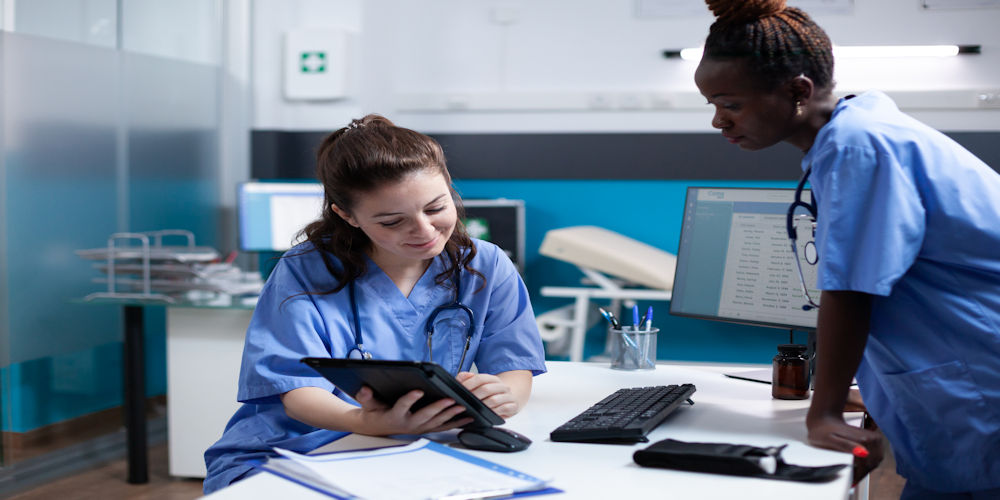
Nursing Stations: The Beating Heart of Modern Healthcare
In every hospital or healthcare facility, nursing stations serve as the operational and clinical heartbeat of patient care. More than just a workspace, they are strategic hubs where coordination, communication, and compassionate care intersect. Positioned within wards and departments, these central points enable nurses to monitor patients, collaborate with colleagues, and respond swiftly when every second matters.
Their importance goes far beyond convenience. Nursing stations are fundamental to delivering safe, efficient, and patient-centred healthcare.
Why Nursing Stations Matter
At their core, nursing stations function as the command centre of a ward. From here, nurses coordinate care plans, communicate with doctors and multidisciplinary teams, and access the tools and information they need to provide high-quality treatment.
Strategic placement ensures optimal visibility across patient areas, reducing response times in emergencies and allowing staff to act quickly during critical moments. When nurses are nearby and fully equipped, patients benefit from faster interventions, clearer communication, and a greater sense of reassurance.
Streamlining Workflow and Reducing Stress
One of the greatest advantages of a well-designed nursing station is workflow efficiency. Immediate access to medical records, medication storage, documentation systems, and essential equipment minimises unnecessary movement across the ward. Instead of searching for resources, nurses can devote more time to bedside care.
This streamlined setup significantly reduces administrative burden and workplace stress. With documentation systems integrated directly into the station, shift handovers become smoother, communication improves, and the likelihood of errors decreases. The result is a safer environment for patients and a more manageable workload for healthcare professionals.
Strengthening Teamwork and Communication
Healthcare is a team effort, and nursing stations provide the collaborative space that makes effective teamwork possible. They serve as shared environments where staff exchange updates, coordinate treatment plans, and support one another during demanding shifts.
Improved communication directly contributes to better continuity of care. When information flows freely and accurately between team members, errors are minimised, patient safety is enhanced, and confidence among staff grows.
The Role of Technology in Modern Nursing Stations
Technology has transformed nursing stations into digital nerve centres. With electronic health records now standard across most healthcare systems, nurses can access and update patient information in real time. This integration reduces duplication, prevents miscommunication, and supports faster decision-making.
Real-time communication platforms, automated medication checks, and digital monitoring systems further enhance safety. Alerts and reminders help prevent missed treatments, while mobile devices enable bedside charting, reducing reliance on memory and paperwork.
In addition, smart inventory systems ensure essential supplies are always available. These technological advancements free nurses from repetitive administrative tasks, allowing them to focus where they are needed most, at the patient’s side.
Designing Nursing Stations for Patient-Centred Care
Design plays a critical role in maximising the effectiveness of nursing stations. Ergonomic layouts reduce physical strain during long shifts, supporting staff wellbeing and productivity. Adjustable work surfaces, intuitive storage, and clear sightlines all contribute to a more efficient working environment.
Patient privacy must also remain a priority. Thoughtful positioning, sound-absorbing materials, and protective screens help safeguard confidential information and sensitive conversations.
Infection control is equally essential. Easy-to-clean surfaces, touchless technologies, and clearly separated clean and contaminated zones reduce cross-contamination risks, reinforcing patient safety standards.
When ergonomics, privacy, and infection control are balanced effectively, nursing stations become spaces that support both operational excellence and compassionate care.
Looking Ahead: The Future of Nursing Stations
The future of nursing stations is shaped by innovation. Artificial intelligence is beginning to assist with administrative tasks, real-time monitoring, and clinical decision support. These AI-assisted systems help reduce cognitive load and allow nurses to spend more time engaging directly with patients.
Modular healthcare design is another emerging trend. Flexible nursing stations can be reconfigured to adapt to surges in patient numbers or changing clinical needs, ensuring facilities remain agile and responsive.
Sustainability is also influencing hospital design. Energy-efficient lighting, eco-friendly materials, and improved ventilation systems are becoming standard features, supporting healthier environments for both patients and staff.
Elevating Healthcare Standards Through Smarter Nursing Stations
Investing in efficient, well-designed nursing stations directly translates into higher standards of care. By combining strategic layout, ergonomic design, advanced technology, and collaborative space planning, healthcare facilities can significantly improve patient outcomes and staff satisfaction.
Ultimately, nursing stations are far more than administrative desks. They are the centre of vigilance, communication, and care delivery within modern hospitals. When thoughtfully designed and supported by the right technology, they empower healthcare professionals to provide safer, smarter, and more compassionate care, every single day.