
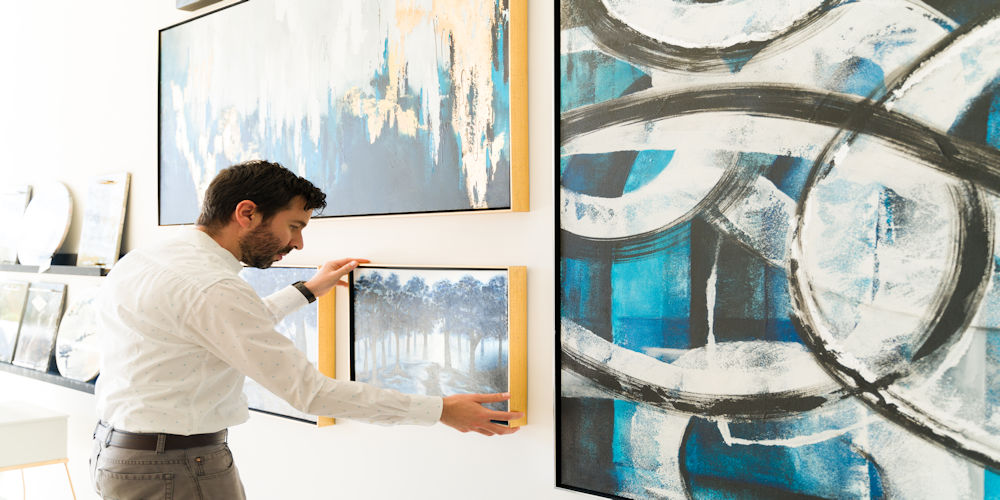
Buying an Original Piece of Art
Buying an original piece of art is about much more than simply filling an empty wall. It can change how you experience your home, how you see creativity, and even how you think about value. While mass-produced prints and posters are everywhere, choosing original artwork brings something truly special into your life: a one-of-a-kind object that carries the artist’s hand, vision and energy.
Unlike a print that thousands of people might own, an original painting, drawing or sculpture is unique. It has texture, subtle details, and small imperfections that give it character and soul. You can see where the brush dragged across the canvas, where the pencil hesitated, or where the artist changed their mind. These traces of the creative process are part of what you are buying. They create a sense of authenticity and presence that a flat, mechanically reproduced print cannot match.
Original art also offers far greater variety. Whether you are drawn to bold contemporary canvases, calming abstract pieces or intimate figurative works, there is an original artwork for almost every taste, space and budget. You are not restricted to what big retailers decide to print in bulk; instead, you can choose something that truly reflects who you are and how you want your space to feel.

The Emotional Impact: How Original Art Transforms Your Home and Wellbeing
Original art can completely change a room’s atmosphere and, in turn, your daily emotional experience. When you live with a piece that genuinely moves you, your home becomes more than a functional space; it becomes a reflection of your inner world. A carefully chosen painting in your living room, bedroom, or office can set the tone every time you walk in, whether calm and reflective, energising and bold, or warm and inviting.
Knowing your artwork is one of a kind creates a powerful emotional connection. You are not just decorating; you are choosing something that resonates with your story, your memories, or your aspirations. Many original works carry a narrative: they may be inspired by a place, a personal experience, a cultural reference or a particular mood. When you understand that story, the artwork becomes more meaningful, and over time it often starts to feel like part of the family.
Living with original art can also support your wellbeing. Art you love can reduce stress, spark your imagination, and create a sense of comfort and belonging. A painting above your desk might help you feel more focused and motivated during working hours. A gentle, soothing piece in the bedroom can encourage rest and peace at the end of the day. These are quiet yet significant benefits that accumulate over years of sharing your life with the same beloved artwork.
Original Art as a Long-Term Investment: Value Beyond Decoration
While you should never buy art purely as a financial gamble, original pieces can increase in value over time. When you invest in original art, you buy something that cannot be replicated exactly. As the artist’s reputation grows or as your chosen piece becomes rarer and more sought after, its monetary value can rise.
Collecting art can also build an asset with both emotional and financial worth. Instead of spending money on disposable décor you replace every few years, you invest in something lasting. Many people start modestly, for example, with a small work by an emerging local artist. Over time, this can grow into a carefully considered art collection that reflects your changing tastes and life experiences.
Emerging artists in particular can offer strong value. Their work is often more affordable early in their careers, yet you still own something original, handmade, and distinctive. If their career develops, the pieces you bought early may become especially significant. Even if that doesn’t happen, you will still own artwork that has brought you years of enjoyment and personal meaning, a value that cannot be measured purely in money.
Supporting Real Artists: Why Your Purchase Makes a Genuine Difference
Every time you buy an original piece of art, you are directly supporting a real human being and their livelihood. Behind every painting or sculpture is an artist who has invested time, training, materials and emotional energy into their work. Choosing to buy from independent or local artists instead of big chains is an ethical choice that helps keep creative communities alive.
Fair pay for artists has long been a challenge. Many artists juggle multiple jobs to fund their practice, pay for studio space and buy materials. Your purchase is not just a transaction; it is a vote of confidence that allows them to keep creating and developing their voice. In many cases, your money goes straight back into the local economy, to framers, suppliers, and small galleries, rather than disappearing into large corporate profits.
You also become part of a wider community of original aart Whether you buy from an art fair, a small gallery, an open studio event, or directly from an artist’s website, you join a culture that values creativity, individuality, and authenticity. This can be deeply rewarding, knowing your walls are decorated with works that have real stories and real people behind them, not anonymous, mass-produced images.
How to Choose the Right Original Piece of Art for Your Space
Choosing original art for your home or office might feel intimidating at first, but it doesn’t have to be. A good starting point is to notice what you are naturally drawn to. Do you find yourself lingering on contemporary art with bold colours, or do calm abstract works with soft textures draw you in more? Perhaps figurative paintings, portraits or landscapes resonate more strongly with you. Your instinctive reactions are often the best guide.
Consider the space where the artwork will live. For a living room, you may want a statement piece that creates a focal point and sparks conversation. In an office, something that inspires focus or reflects your professional identity can work well. For a bedroom, you might prefer more restful tones and gentle imagery. Think about how the artwork’s colours, scale and style will interact with your existing interiors – your furniture, wall colour, and lighting.
You can also think in terms of mood. Ask yourself: how do I want this space to feel? Warm and welcoming? Calm and meditative? Energetic and dynamic? Use those answers to guide your choice of style, from minimalist contemporary pieces to expressive, textured abstracts or detailed figurative work. There is no strict right or wrong, only what truly feels right to you. If possible, take your time: revisit pieces, look again in different lights, or view them in situ using online “view on your wall” tools if available.
Understanding Price: What You’re Really Paying for with Original Artwork
Original art can vary widely in price, and it helps to understand what you are actually paying for. Part of the cost covers obvious factors such as materials, high-quality canvases, paints, papers, frames, and specialist tools. But a significant portion reflects the time invested: not just the hours spent on that one piece, but years of practice, study, and experimentation that have helped the artist reach their current skill level.
You are also paying for uniqueness. Unlike a print that can be sold hundreds or thousands of times, an original artwork can only be sold once. This exclusivity naturally affects its price. Larger works, more complex techniques, and highly detailed pieces typically cost more because they require more effort and expertise.
Transparent pricing signals a professional, ethical artist or gallery. Many are willing to explain how they arrive at their prices, taking into account size, materials, time, experience, and demand. With that in mind, the cost of original art often feels much more reasonable. Instead of seeing a painting as just “an expensive picture for the wall”, you begin to recognise it as a carefully crafted, handmade object that may stay with you for decades.
Buy from Galleries, Online Platforms & Direct from Artists
There are more ways than ever to buy original art safely and confidently. Traditional galleries remain an excellent option, particularly if you enjoy seeing work in person and talking to knowledgeable staff. Many UK galleries showcase a mix of established and emerging artists, and their teams can help you understand each piece, its background and its value.
Online art galleries and curated platforms have made original art more accessible, letting you browse thousands of works from home. Reputable UK-based art websites often provide detailed descriptions, high-quality images, artist information, and secure payment and shipping options. This makes it easier for first-time buyers to explore different styles and price ranges without any pressure.
Local art fairs, open studio events and artist-run spaces offer another approachable route. Here, you can meet artists face-to-face, ask questions about their process, and see the work up close. Buying directly from an artist’s studio or website can be especially rewarding because you know your money goes straight to the creator. Whichever route you choose, look for clear return policies, secure payment methods, and reliable delivery or collection options for a smooth experience.
Spotting Quality: How to Tell if a Piece of Art is Worth Buying
When deciding whether a piece of art is worth buying, look beyond the initial visual impact and pay attention to craftsmanship and originality. Examine the surface if you can: is the paint applied with intention, or does it feel careless or rushed? Are lines confident, colours considered, and materials used in a way that feels deliberate rather than accidental? Quality work usually feels coherent, even if the style is loose or abstract.
Originality is equally important. Ask yourself whether the work feels like a genuine expression of the artist, or a copy of something you have seen many times before. Strong artwork often has a distinctive character, a recognisable way of using colour, composition, or subject matter that sets it apart. Read the artist’s statement, if available; it can offer insight into their ideas and help you understand the depth behind the image.
To avoid fakes or misrepresented pieces, look for provenance: a clear record of who created the work, when it was made and where it has been exhibited or sold. Reputable galleries and established artists usually provide certificates of authenticity or detailed invoices. Ultimately, quality blends technical skill, thoughtful concept, and honest presentation. When those three elements come together, you are likely looking at a piece that is worth your consideration.
Commissioning an Original Piece of Art: Something Truly Personal
If you have a specific vision in mind or want something deeply personal, commissioning artwork can be a powerful option. Commissioned pieces are made to order, created especially for you, rather than chosen from existing work. This might be a bespoke painting of a meaningful place, a contemporary abstract in colours that suit your home, or a portrait of a loved one, a pet, or even your whole family.
The commissioning process usually begins with a conversation. You and the artist discuss your ideas, budget, size requirements and preferred style. The artist may show you examples of previous work to ensure you both clearly understand what the finished piece might look like. Some will provide sketches or digital mock-ups before starting the final artwork, giving you a chance to refine the concept.
Working with an artist this way can be collaborative and enjoyable. You can share memories, photographs or stories that will influence the final work, making it uniquely tied to your life. In the UK, many artists regularly take commissions and are used to guiding first-time clients, so don’t be afraid to ask questions. In the end, you receive a piece that exists nowhere else in the world – a truly personal work of art with deep emotional resonance.
Caring for Your Original Artwork So It Lasts a Lifetime
Once you own original art, a little care goes a long way towards preserving it. Start by choosing the right place to hang or display it. Avoid direct, harsh sunlight, which can cause fading over time, and don’t place delicate works above radiators or in damp areas where moisture and temperature changes can cause damage.
Good framing is crucial, especially for works on paper. A quality frame with appropriate mounts and, ideally, UV-protective glass can help protect the artwork from dust, knocks and light. You can usually gently dust paintings on canvas or board with a soft, dry cloth, but avoid cleaning products or water unless a professional advises it, as they can harm the surface.
If you need to store your artwork, keep it in a clean, dry, stable environment. Wrap it in acid-free materials rather than newspapers or cheap plastics, which can react with the surface over time. When in doubt, consult a professional framer or conservator, particularly if the work is valuable or delicate. With mindful care, your original artwork can remain vibrant and intact for decades, ready for future generations to enjoy.
Make Your First Move Towards Buying an Original Piece of Art Today
Buying your first original artwork is a meaningful step. It expresses your individuality, enriches your surroundings, and supports the creative people who shape our culture. Instead of settling for mass-produced images you will quickly forget, choose something with real presence, history, and heart.
You do not have to start big or spend a fortune. Begin with a piece that speaks to you – perhaps a small painting from a local fair, a work by an emerging artist you have discovered online, or a commissioned piece that marks a special moment in your life. Each artwork you bring into your home becomes part of your personal story, turning your walls into a reflection of who you are and what you value.
Now is an ideal time to take that first step. Explore galleries, browse UK-based online art platforms, visit open studios, and allow yourself to respond to what you see. Trust your eye, ask questions and permit yourself to invest in something that will bring you lasting joy. The moment you hang your first original artwork, you will understand why it matters far more than you might have imagined, and why it could start a lifelong passion for collecting and living with art.