
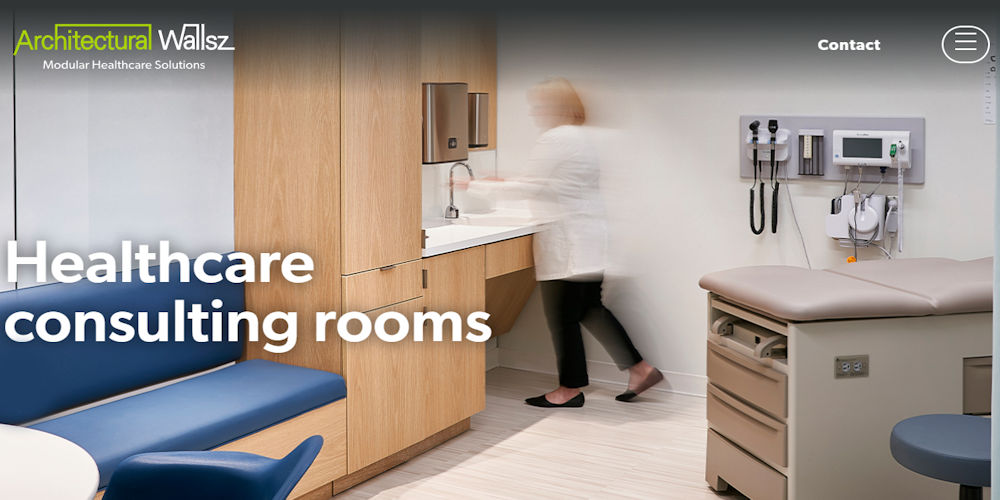
Healthcare Consulting Rooms & Patient Care
Healthcare consulting rooms are far more than functional spaces, they are the foundation of patient trust, privacy, and dignity. When designed with care, they create an environment where patients feel safe to speak openly, enabling healthcare professionals to deliver more accurate diagnoses and tailored treatments. In this sense, the consulting room becomes an essential partner in the care process, not just a backdrop to it.
Privacy sits at the heart of every meaningful healthcare interaction. Patients routinely share deeply personal information, and without the assurance of confidentiality, communication can quickly become guarded or incomplete. Secure, well-planned consulting spaces signal respect for patient rights while protecting against ethical and legal risks. More importantly, they foster the openness that is critical to effective care.
The Physical Environment
Beyond privacy, the physical environment plays a powerful role in shaping how patients feel. A thoughtfully designed consulting room can help ease the anxiety many people associate with medical visits. Soft lighting, soundproofing, and comfortable seating all contribute to a calmer, more reassuring atmosphere. These elements may seem subtle, but together they send a clear message: the patient’s comfort and well-being matter.
A Patient Centred Approach
Design also plays a key role in preserving dignity. A patient-centred approach ensures that consulting rooms are accessible, inclusive, and respectful of diverse needs. From wheelchair-friendly layouts to carefully chosen colour palettes and private examination areas, every detail can enhance a patient’s sense of being valued and understood. When patients feel respected, their overall healthcare experience improves significantly.
Importantly, investing in consulting room design is not simply about aesthetics or meeting regulations. It reflects a broader commitment to holistic care, recognising that environment and health are closely connected. Spaces that reduce stress and promote comfort can positively influence both emotional well-being and clinical outcomes.
Importance of Maintaining Confidentiality
Several essential features contribute to an effective consulting room. Soundproofing is crucial for maintaining confidentiality, while natural light can boost mood and create a more welcoming setting. Ergonomic furniture supports both patient comfort and practitioner efficiency, and accessibility ensures that no patient is excluded from receiving quality care. Together, these elements create a space that works seamlessly for everyone involved.
Real-world examples continue to show that well-designed consulting rooms lead to better patient experiences. Clinics that prioritise privacy and comfort often see higher satisfaction levels and stronger patient engagement. These environments demonstrate that thoughtful design is not a luxury, but a key component of high-quality healthcare delivery.
Ultimately, prioritising privacy and dignity in consulting rooms is about putting patients first. When healthcare providers invest in environments that respect and support individuals, they build trust, improve communication, and deliver care that truly meets patient needs.
Architectural Wallsz: Your Healthcare Partner
If you would like to know more about Healthcare Consulting Rooms and their development, then contact Architectural Wallsz. They are a family business working with world class partners. Their highly motivated team all share the commitment of founder Ian Strangward to creating better working and healing spaces. With close-knit hold shared values, their clients benefit enormously from the entrepreneurialism, global experience and technical knowledge which has driven success over 30 years.
Contact Architectural Wallsz on 0121 374 0070 or complete the online contact form with your questions or request a quote, whether you have a project in mind or just want to chat. Either way, we’re looking forward to hearing from you.