
Effective Flood Damage Repairs & Drainage Solutions
Immediate Steps After Flood Damage
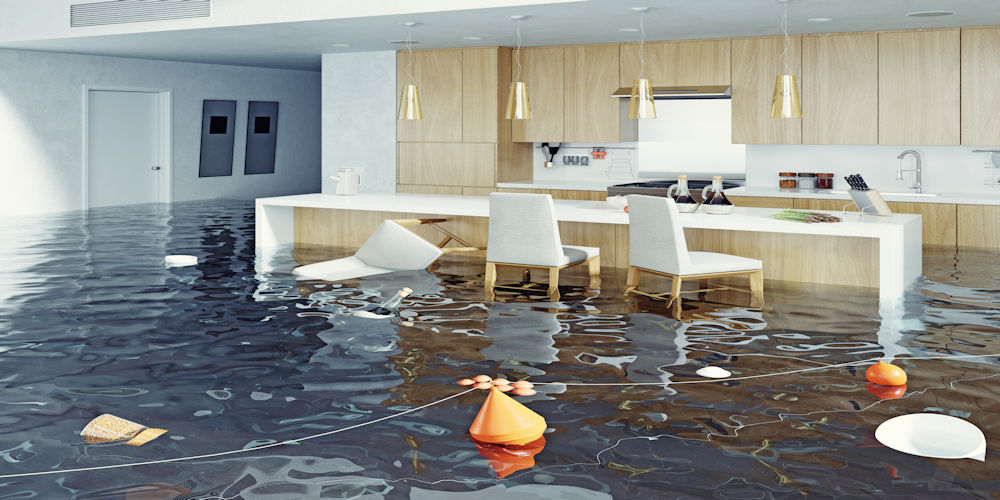
The mess floodwater leaves behind can feel overwhelming. When water gets into your home, you may feel stressed and unsure what to do next. But with a clear plan, recovery can be easier for you and your family. By following simple steps, like making safety checks right away and planning for repairs and drainage, you can get your home back to normal. This guide will be your flood hub. It will show you the main steps to fix damage and help keep your place safe from future events like this.
Your first job after a flood is to make sure everyone in your home is safe. Don’t rush back into your house without taking the steps you need to stay safe. When you feel that the area is safe, you can start the insurance claim process.
Contact your insurance provider right away. A loss adjuster will usually visit to look at the damage. Having clear records ready will help with your contents insurance and building claims. Acting fast and communicating clearly can help you get back to normal sooner.
Safety Checks and Initial Assessment
If your home has flood damage, first check whether it is safe to go inside. If floodwater is still in the house, wait until emergency services say it is safe to enter. Before you start any work, turn off the gas, electricity, and water at the main switches. This step helps prevent accidents. Make sure you wear protective clothing. Wear waterproof boots and gloves because floodwater can be dirty and unsafe.
When it is safe, you can start assessing the damage. The main thing is to document everything for your insurance company. Go into each room and take photos and videos. Be sure to show the damage to the building and your things. This proof is important for your claim and will help show the extent of the damage.
If you need help during this hard time, contact the Citizens Advice Bureau. If a flood occurs, first secure the property, contact your insurer, and take clear notes or photos of the damage. This will help ensure future repairs go smoothly.
Protecting Valuables and Property
Once you know the property is safe, start saving what you can. Move any items that aren’t wet and are still usable to a safe place. This can be an upper floor or maybe a friend’s house. Put important things first. This means valuable, personal, or essential items for daily life. The faster you get things out of the wet, the better the chances they will be fine.
Move items that need special care first. This has:
- Important documents, photographs, and books.
- Electronics and small electrical appliances.
- Soft furnishings like rugs, cushions, and curtains. These can soak up more water.
What are the best ways to protect your home from future flood damage? If you are working on recovery right now, this is a good time to consider what you can do to prevent future damage. Professionals can help by changing your driveway to direct water away from your home or by installing better drainage systems. You can talk with your insurance company about these upgrades, which could also help your policy. The best way is to start now. These changes can save you a lot of time and worry if another flood happens.
Inspecting and Repairing Building Structure
After the floodwater is gone, the next step is to inspect and repair your home’s structure. Hidden water can cause mould and rot. Because of this, you must dry properly before starting the reinstatement process.
You need a professional to assess structural damage and determine its severity. A trained professional knows what to do when drywall is soaked or the house’s foundation is weakened. is weakened.Properly fixing these issues ensures every repair meets a high standard. It also helps keep your home safe for years. Now, we’ll cover the repairs your home’s main parts need.
Essential Repairs for Walls, Floors, and Foundations
What building repairs are essential for flood-affected homes? Check whether your home’s structure is still sound after a flood. A professional should assess the damage. Water can weaken areas inside walls or floors. Make sure the whole home finishes a proper drying process before you start any repair work. You need to know the extent of the damage before you fix anything.
Different areas of your home may need different repairs. For example, you’ll usually need to replace plasterboard. You may be able to save a solid wood floor if you dry it properly. The table below lists common areas in your home and the repair work often needed for each.
| Affected Area | Common Repair Action |
| Drywall/Plasterboard | Remove and replace sections that were submerged or show water damage. |
| Flooring | Remove and dispose of carpets and underlay; solid wood may be dried and refinished. |
| Foundations | Inspect for cracks or shifts; may require specialised underpinning or sealing. |
Always let your home insurer know about the repairs you need and how much they will cost. Good repair work keeps your home safe and strong, not just nice to look at.
Restoring Electrical and Plumbing Systems
Floodwater can seriously damage your home’s key systems. Never use any electrical appliances that got wet until a skilled electrician checks them. A professional should inspect your home’s entire electrical system. This includes wiring, outlets, and the circuit breaker panel. They will make sure it is safe to use after the floodwater.
Your plumbing system can also have problems. The tap water may not be safe to drink. Use bottled water for drinking and cooking until local authorities say it is safe. Silt and other debris may block drains and pipes. To fix this, you might need specialist cleaning.
After a flood, have a pro clean and check your drains. This will help clear any clogs. This repair work is important for your home and is often covered by home insurance policies. It can help prevent backups later.
Assessing and Fixing Drainage Systems
A well-functioning drainage system keeps surface water away and helps prevent flooding. If this system doesn’t work or there is too much water, it will move toward your property. After a flood, check your property’s drainage system for damage or blockages.
Working with a flood action group or your local council can help you learn about bigger drainage problems in the area. If you know how your property fits into the local water plan, you can make better changes. The next parts will help you spot common problems and show you good ways to fix them.
Identifying Common Drainage Issues Post-Flood
Heavy rainfall can seriously damage your drainage system. To check for damage, start with a simple look around your property. Check whether water remains on your patio, driveway, or yard after the rain ends. If the water doesn’t go away, your drainage system isn’t working properly. Debris carried by floodwater can also make things worse, so pay attention to where water pools.
Common issues that arise after a flood include:
- Clogged Gullies and Drains: Silt, leaves, and other debris can block drains, preventing water from draining properly. This keeps surface water from draining.
- Pipe Collapse: Heavy floodwater or shifting ground can break or collapse pipes. When this happens, surface water has nowhere to go.
- Silt Buildup: Fine dirt can end up inside pipes. This slows surface water because there is less space in the pipe.
You can spot some problems yourself, but most of the time you need a pro to do a camera inspection to know the full extent of the damage. These scans show breaks or blockages in pipes you can’t see. It can also be good to talk with your local authorities. They can advise you on the issues most people face in your area.
Effective Drainage Solutions to Prevent Flood Damage
Investing in a good drainage system is key to any long-term flood plan. The right flood protection products and smart drainage upgrades help when heavy rain hits. Do not stop at fixing what is broken. Think about making the whole system better.
Which drainage repairs do people need most often after flooding? In many cases, the right “repair” is to improve what is there. Some good steps are:
- Installing Additional Gullies: The more drainage points you have, the easier it is to collect floodwater and move it out quickly.
- Alte”ing Su” face Levels: If you change the height or slope of your driveway or patio, you can make water flow away from your house.
- Connecting New Drains: Adding new drains to your current system helps it handle more floodwater at once.
This kind of repair work helps ensure your place can handle the next heavy rain. By managing how water moves across the land, you lower the chance of future flood damage.
Flood Damage Repairs and Drainage
Addressing flood damage and fixing drainage problems helps keep your place safe and able to withstand future flooding. First, do safety checks and assess the damage. This helps you protect your belongings and maintain your building’s strength. Fix what needs fixing and ensure your drainage system works well to reduce flood risk. A careful plan and doing the work right matter, because drainage problems can crop up after a flood. If you want advice on flood damage or need help with drainage solutions, request a meeting. A call can put your mind at ease.
Frequently Asked Questions
What types of drain gullies are best for flood-prone properties?
In flood-prone areas, you can use high-capacity gullies or those with non-return valves. These flood-protection products help prevent water from flowing back from the main drainage system into your home. Your local council or a professional can help you choose the best products for your drainage system and property setup.
How do I safely connect a new drain to an existing maintenance hole?
Certified professionals should connect a new drain line to a maintenance hole. They know how to make a watertight seal. This prevents leaks and avoids bigger problems, such as structural damage. If it is not done right, the repair work can fail. A bad job will also not be approved by the local council. Experts always need to do this work.
Can I use DIY drainage solutions to stop yard flooding?
Simple things you can do yourself, like keeping drains clear of debris, can help reduce floodwater. But if your yard keeps flooding, that may not be enough. Professional help is often needed for bigger problems. A French drain or landscaping changes, as part of your flood plan, usually work better. Experts know how to manage water properly and ensure you follow local requirements.
Key Highlights
- Put your safety first as soon as floodwater comes in. Turn off your power and gas. Wear something to protect yourself.
- Take photos of all damage. Call your insurance company to start your claim.
- The drying process matters a lot. Make sure everything is dry before you startrepairsk. This can stop bigger problems later.
- Get experts to fix any structural damage to your walls, floors, or foundation.
- After floodwater recedes, check your drainage system. Check for any blockages or issues that need fixing.
- A good drainage system is important. It can help with flood recovery. It also protects you in the future.