
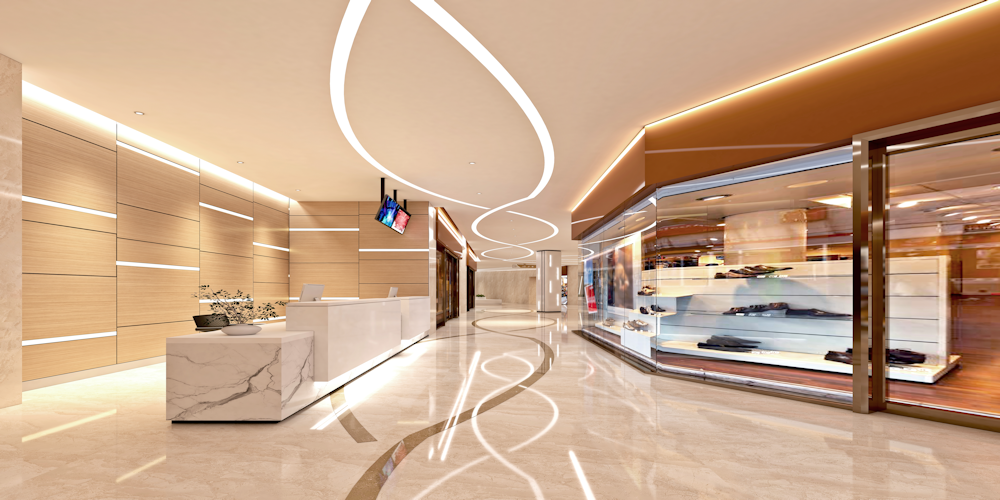
Introducing Commercial Interior Design
Interior design plays a big part in how commercial premises look and feel. It can change how people feel when they enter a space. Good design helps people who work there feel better and makes customers feel welcome. It is not just about style. Interior design also helps a place function well. The way things are arranged in a room, the lighting, and the colours all affect those in the space. A well-designed commercial space can benefit the business, people, and customers.
When you step inside a nice restaurant, a warm café, or a new office, you feel the mood right away. The colours, lights, chairs, and art all join together to make it feel special. In business settings, interior design helps shape how people feel. It also helps businesses reach their goals.
What Is Interior Design in a Commercial Context?
Interior design is more than making a place look nice. In the world of business, it is a careful process that guides how people feel and act in the space. A small store, a busy hotel reception, or a shared office can all be transformed with good design. Interior design helps turn plain spaces into spots that feel welcoming, work for everyone, and suit their intended use.
Commercial interior design covers many types of spaces.
- Offices
- Restaurants and cafes
- Retail stores
- Hotels and places for guests
- Healthcare places
- Schools and colleges
Each type of space has its own needs and goals. But the main idea is always the same. The goal is to create a place that helps people use it more effectively and supports the business’s success.
The Many Facets of the Commercial Interior Design Process
Designing a commercial interior takes a few steps. Here is a quick look at the main parts:
1. Understanding the Client’s Vision and Needs
The process begins with talking. Designers speak with clients. They ask about their vision, brand, and who they want to reach. The designers also ask about business goals. A tech startup might need a space that fosters creativity and openness to new ideas. A luxury hotel might want a space that feels elegant and special. Once this is clear, the designers start planning the layout.
2. Space Planning
Good space planning makes sure the layout works for what people will do in the area. It helps you understand how people move through the space.
- Where are the main spots?
- Are there places to work together, have some quiet, or take a break?
A good layout helps the space feel safe and comfortable. It also makes it work well and look nice. Once the layout is ready, designers start to work on the concept.
3. Concept Development
Designers take what the client wants and make a clear plan. At this stage, they use mood boards and pick colours, materials, and finishes. The idea brings together style and what the space needs. This step also sets the feel for the whole project.
4. Selecting Materials and Finishes
Choosing flooring, wall finishes, furniture, and fixtures affects how a space looks and how long it lasts. In commercial spaces, these picks need to withstand heavy use. They also have to fit the brand’s look. For example, a spa could go with natural materials and soft colours. A busy retail store might use loud patterns and cool lights. These choices make the design feel real and match what people want.
5. Lighting Design
Lighting plays a big part in commercial spaces. It helps set the mood, highlights important spots, and can even influence what people buy. Designers use types of lighting, such as general, task, and accent, to add layers to the space and ensure every area is bright and feels inviting. Lighting helps both how the place works and how it feels.
6. Incorporating Branding Elements
Commercial spaces display a brand in real life. Designers can use logos, brand colours, or special details in the space. This helps you see and remember the brand. These things bring out the design idea and make the brand pop.
7. Detailing and Finishing Touches
Accessories, art, signs, and plants are the last things you add to a space to help it feel alive. These details make the place feel warm. They help people feel welcome. When put together, they make the design feel complete and bring all things together.
The Benefits of Thoughtful Interior Design in Commercial Premises
Hiring a good interior designer can help your business in many ways. These are some of the best things you get:
1. Enhanced Customer Experience
First impressions matter. A nice interior gets noticed and changes how customers feel. In a store, this can help people stay longer and buy things. In places like hotels and restaurants, it can lead to good reviews and repeat business. This shows that design can improve outcomes.
2. Improved Employee Wellbeing and Productivity
The way an office or workplace is designed and set up shapes how people feel and work. A place that is cosy, well-lit, and well-planned can help reduce stress and make you feel less tired. That can help people feel good and get more done in their day. Spaces designed for group work and idea sharing help people be more creative. They also make it easier for people to work well together and bring new ideas.
3. Efficient Use of Space
A good design helps you use every bit of space. With smart storage, furniture that can do more than one thing, and some careful planning, you can make small places seem bigger. It will also help things feel neat. This creates a cohesive layout.
4. Reinforced Brand Identity
Interior design can help you strengthen your brand. When you use the same colours, materials, and style throughout, people find it easy to remember your business. This makes your space feel like a big part of your brand’s story.
5. Increased Property Value
A well-designed commercial space can be a valuable asset to the business. It can raise property values and help you get better tenants. A good look can also help landlords fill their spaces faster. This means interior design is a smart investment, not just something nice to see.
6. Greater Flexibility and Adaptability
Good design is ready for change. Layouts and furniture that you can move or switch to new spots help spaces match what a business needs as it grows. You might need to rearrange the office if your team grows. You can update a store when a new season starts. This flexibility helps spaces work well for a long time.
7. Compliance and Safety
Commercial designers understand building regulations, accessibility rules and safety standards. They make sure that spaces are safe, look good, and meet all requirements. This connects good design with being responsible.
Real-World Examples: The Impact in Action
- Retail Stores: For example, Apple Stores use clean lines, open spaces, and hands-on displays. The layout helps people feel welcome and happy to shop. Customers can explore, try things, and spend more time in the store. This comes from careful design.
- Cafés and Restaurants: A cosy coffee shop may feature warm lighting, soft seating, and good sound. Guests feel good and want to relax or talk with others. A fast food place often uses bright lights and clear layouts. This helps people visit quickly. The design fits what the business wants.
- Offices: Modern offices often have open spaces, areas to work together, spots to be alone, and details that feel close to nature. These layouts support many ways to work. They help people feel better and meet team members’ needs.
The Role of Sustainability in Modern Interior Design
Sustainability is now an important component of any commercial design project. Many designers choose eco-friendly materials and energy-saving lights. They also use sustainable furniture. These changes help the environment. They also help a business appear more appealing to clients and customers who care about green choices.
Collaboration: The Key to a Successful Project
Interior design requires people to work together. Designers talk with clients, architects, builders, and suppliers. When everyone communicates well, the space looks like what the client wanted. It also stays within their budget and is completed on time. This helps the project go well for everyone involved.
Conclusion: More Than Meets the Eye
Interior design changes the feel of commercial spaces in more ways than just their appearance. The way a space is set up can change how people feel and how they act. It can help people come back, work better, and achieve business goals. When businesses choose a thoughtful design, they can create spaces that look good, work well, serve different purposes, and fit their brand.
If you are starting a new business or want to change your space, working with an commercial interior designer can be very helpful. The best design can turn a plain place into something that people notice. It can help you get to your goals.