
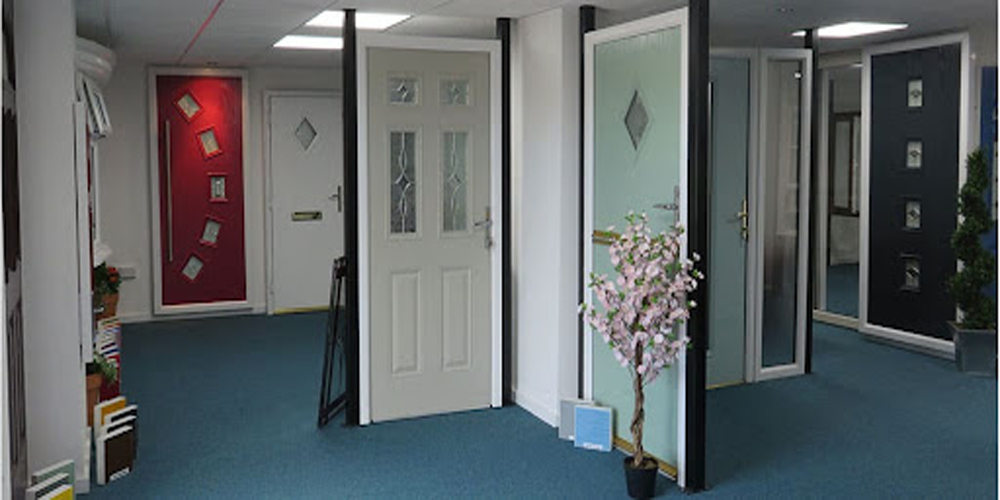
Why Home Security and Composite Doors Belong Together
In the UK, more homeowners than ever are taking home security seriously – and with good reason. Your front door is the most obvious point of entry to your property, and unfortunately, it is also one of the first places burglars will target. That is why choosing the right door is one of the most effective steps you can take to protect your home, your family and your belongings. Composite doors and home security belong together because they are specifically engineered to provide a secure, durable and reliable barrier against opportunistic intruders. When you invest in a high-quality composite door, you are not just improving kerb appeal; you are dramatically strengthening one of the most critical lines of defence in your home protection strategy. For homeowners looking for secure front doors, burglary prevention and robust, secure entrances that stand up to real-world threats, composite doors have quickly become the go-to solution for UK home security.
What Are Composite Doors and Why Are They So Secure?
A composite door is a modern external door made from a carefully chosen combination of materials rather than a single substance like wood or uPVC. This multi-layer door design typically includes a solid timber or high-density foam core for strength and insulation, surrounded by additional structural layers and finished with a hard-wearing GRP (glass reinforced plastic) skin. The GRP skin is tough, weather-resistant and difficult to damage, which helps the door maintain its appearance and integrity over many years of use. Unlike traditional wooden doors, composite doors will not warp, twist or swell significantly with changes in temperature and moisture, and they are far less prone to cracking or rotting.
This clever composite door construction is what makes them such durable external doors. The solid core provides rigidity and weight, which immediately makes the door feel more substantial and harder to kick in or force open. The outer GRP skin resists impact and surface damage, making it more difficult for intruders to gain a foothold for tools or leverage. Together, these materials create secure door material that is specifically designed to withstand everyday knocks as well as deliberate attempts at forced entry. In short, a composite door combines the best attributes of several materials to deliver a door that is strong, stable and inherently secure.
How Composite Doors Improve Overall Home Security
Fitting a composite door is one of the most straightforward and effective ways to upgrade front door security and improve overall home security. Strong front doors are a clear deterrent: when a burglar approaches a property and sees a modern, solid, impact-resistant composite door with visible security features, they know immediately that this is not an easy target. Opportunistic criminals usually look for quick wins – weak frames, flimsy panels or outdated locks – and a composite door simply does not offer these vulnerabilities.
Composite doors are inherently impact-resistant doors thanks to their dense cores and reinforced structure, which offer much higher levels of forced-entry resistance than many older uPVC or timber doors. When combined with quality anti-snap locks, robust keeps and reinforced frames, a composite door becomes a genuine high-security door solution rather than just a cosmetic upgrade. For many homeowners, replacing an ageing or hollow front door with a composite model is a simple front door security upgrade that instantly reduces the likelihood of a successful break-in. It is not just about stopping an intruder; it is about slowing them down, making noise and increasing the risk they will be seen – all factors that encourage burglars to move on.
Key Security Features to Look for in Composite Doors
Not all composite doors are created equal, so it is important to understand which key security features to look for when you are comparing options. A high-quality composite door should include a robust multi-point locking system that secures the door at several points along the frame, rather than relying on a single latch. This spreads the force if someone tries to kick, lever or shoulder the door, making it much harder to bend or break the locking points.
You should also insist on anti-snap and anti-bump cylinders in the door lock. Lock snapping remains one of the most common methods used by burglars to gain entry, particularly on older uPVC doors, so a modern cylinder specifically designed to resist snapping, drilling and bumping is crucial. Security hinges that cannot simply be popped out or removed from the outside, along with reinforced frames and strong fixing points, help ensure the door as a whole is as secure as its lock.
Glazing and accessories matter too. Laminated security glass is far harder to break through than standard glass, because it holds together even when cracked, and spyholes and door chains allow you to check who is outside without fully opening the door. When shopping, look for PAS 24 doors and Secured by Design doors, as these have been independently tested and certified to meet stringent UK security standards, giving you confidence that the door has been designed with real-world attack methods in mind.
Composite Doors vs uPVC, Timber and Aluminium: Which Is Safest?
When comparing composite doors with uPVC, timber and aluminium, security is one of the most important considerations. Many older uPVC doors have relatively weak panels and can suffer from lock snapping issues, although modern reinforced uPVC has improved. Timber doors can be very strong, but only if they are made from high-quality solid wood and properly maintained to prevent rot, warping and splitting. Aluminium doors are tough, but can be prone to dents and often rely heavily on the quality of the lock and frame for overall security.
Composite doors are generally considered the strongest external door material for domestic properties because they combine rigidity, weight and resilience in a single product. For secure back doors or front entrances, a composite door often offers superior resistance to physical attack compared with budget uPVC or older wooden doors. As an added benefit, composite doors are also known for being energy efficient and secure doors, thanks to their insulated cores and tight seals, which help reduce heat loss from the home. They are also low-maintenance security doors: they do not need regular painting or varnishing, and yet they maintain their strength and appearance over time, making them a practical long-term choice for safety and convenience.
Standards and Certifications: How to Tell if a Composite Door Is Truly Secure
It can be difficult for homeowners to judge security by appearance alone, which is why British Standards for doors and recognised certifications are so valuable. A door that has been tested to PAS 24:2016, for example, has undergone rigorous security testing that simulates common burglary techniques such as kicking, levering, and attempting to manipulate the locks and hinges. Choosing a door that meets PAS 24 gives you reassurance that it has been independently assessed for resistance to forced entry.
Secured by Design accreditation goes a step further. This is a police-backed initiative that recognises products which meet or exceed high security performance standards. Secured by Design doors have been tested and approved as part of a wider approach to crime prevention, and they are often recommended by security professionals and insurers alike. You may also see references to BS EN 1303, which relates to the performance and security of lock cylinders, including resistance to drilling, snapping and other forms of attack. Paying attention to these security ratings helps you identify tested and certified doors that offer genuine protection, rather than simply relying on marketing claims or appearances.
Choosing the Right Composite Door for Your Property Type
Every home is different, and the right composite door should complement the style of your property while also providing appropriate security. For terraced houses, where the front door often opens directly onto the street, composite doors for terraced houses need to be particularly robust, with strong locks and minimal external hardware that could be tampered with. In semi-detached homes, secure doors for semi-detached properties might include additional side panels or glazed sections, which should be properly reinforced and fitted with toughened or laminated glass.
Cottage-style composite doors can provide traditional charm while still offering modern levels of security, allowing you to maintain a period look without sacrificing safety. Contemporary composite doors, with clean lines and modern colours, are ideal for newer builds and urban homes, offering a sleek appearance combined with hidden strength. For flats and maisonettes, doors for flats and maisonettes often need to meet specific fire and security regulations set by building managers or freeholders, so choosing made-to-measure doors that comply with these rules is vital. Bespoke secure doors allow you to tailor glazing, colours, hardware and security features to your exact needs, ensuring your door suits both your property type and your security priorities.
Glazing, Side Panels and Letterboxes: Avoiding Security Weak Spots
While the door leaf itself might be extremely strong, weak points can be introduced through glazing, side panels and letterboxes if these elements are not designed with security in mind. Secure glazed composite doors should use toughened and laminated glass, which is far more difficult to smash through than standard glass. Double and triple glazing not only improves thermal efficiency but also adds additional layers for an intruder to get through, further delaying or deterring entry attempts.
Reinforced side panels are essential if your entrance includes glass or additional fixed sections next to the door. Poorly constructed side panels are a common weakness that burglars may exploit by trying to break the glass and reach in to operate the interior handle or lock. Similarly, letterboxes can be targeted for “fishing” – where thieves try to hook keys or other valuables through the opening. Anti-fishing letterplates and TS 008 letterplates are specifically designed to prevent this by limiting how far a hand or tool can be pushed through. Choosing secure door furniture, including robust handles, knockers and viewers that cannot be easily prised off, helps ensure every part of your entrance works together to provide strong protection.
Installation Matters: Why Professional Fitting Is Essential for Security
Even the most secure door will underperform if it is not fitted correctly. Professional door installation is critical because experts understand how to align and fix the door so that locks, hinges and seals all function as intended. FENSA registered installers, or similarly accredited professionals, are familiar with building regulations and best practices, helping ensure your new door not only looks the part but also delivers the security you are paying for.
Secure frame fixing is a key part of this process. The frame must be properly anchored into the surrounding wall with the correct fixings, so that it cannot be easily pulled away or spread apart during an attempted break-in. Correct door alignment ensures the multi-point locking system engages fully and smoothly at every point, reducing wear and ensuring consistent performance. Sealing and anchoring prevent drafts and water ingress but also help maintain the structural integrity of the door set. Replacing weak frames at the time you upgrade the door is usually wise, as a strong door in a flimsy old frame will not offer the level of protection you expect. Avoiding DIY mistakes by using professionals ultimately means fewer gaps, fewer weaknesses and far better long-term security.
Combining Composite Doors with Other Home Security Measures
A secure composite door is a powerful first step, but the best protection comes from a layered security approach. Combining home security and composite doors as part of a wider system can significantly improve your overall safety. For example, adding CCTV and doorbell cameras near your entrance provides both a visual deterrent and useful evidence if someone does attempt to tamper with your door. Smart locks and keyless entry can make it easier to control who has access to your home and to revoke access if keys are lost or not returned.
Security lighting, particularly motion-activated lights near entrances and paths, makes it harder for intruders to approach unnoticed. Alarm systems that detect and alert you to attempts at forced entry add another strong layer of protection, especially when combined with sensors on windows and doors. Simple measures like robust window locks and securing side gates also help. By viewing your composite door as the central element in an integrated home security and composite doors system, rather than a standalone product, you create multiple obstacles that burglars must overcome, making your property a far less attractive target.
Smart Technology and Composite Doors: Modern Security for Modern Homes
Modern security solutions are increasingly digital, and smart composite doors are at the forefront of this trend. Integrating Wi‑Fi smart locks into your composite door allows you to control access using keypads and fobs or even through your smartphone. Remote locking means you can check whether your door is secure and lock or unlock it from anywhere with an internet connection, which is particularly useful if you need to let in a trusted visitor or tradesperson while you are away.
Smartphone access can be combined with audit trails, allowing you to see who has used the lock and when, so you always know when your door has been opened. Integration with home security systems, such as alarms, cameras and smart lighting, allows for coordinated responses – for instance, automatically turning on exterior lights when the door is unlocked at night. All of this contributes to smart home security that is not only more convenient but also more controlled and responsive, giving you greater peace of mind that your composite door is playing an active role in protecting your home.
Cost, Value and Insurance Benefits of Secure Composite Doors
Although high-quality composite doors may cost more upfront than basic uPVC or standard timber doors, the composite door cost vs value equation is typically very favourable. You are investing in a product designed to last for many years with minimal maintenance, while offering superior security, insulation and aesthetic appeal. Over time, this often represents better value than repeatedly repairing or replacing cheaper, less secure alternatives.
There can also be direct financial benefits. Some insurers recognise the added protection offered by secure composite doors fitted with insurance-approved locks and may offer home insurance discounts as a result. Improved security can reduce the likelihood of claims, which is beneficial for both you and the insurer. In terms of property value, a smart, secure front door is an attractive feature for potential buyers, contributing to a property value boost and making your home easier to sell. Energy-efficient secure doors with insulated cores and tight seals help reduce heating bills, and reduced maintenance costs over the lifetime of the door further enhance the overall return on your investment.
Real-World Scenarios: How Composite Doors Help Deter Burglars
In real-world situations, composite doors have repeatedly shown their worth as burglary deterrent doors. Many homeowners report attempted break-ins where the intruder has tried to kick in or lever open the door, only to find that the solid structure and multi-point locks simply will not yield. In such security case studies, damage may be limited to minor scuffs or marks, while the door and frame remain intact and the burglar is forced to abandon the attempt.
Common entry methods such as kicking near the lock, prising the door away from the frame, or snapping the cylinder are all significantly harder to carry out successfully on a well-specified composite door. Upgrading weak doors – for example, replacing a thin, hollow-core or ageing uPVC door – with a robust composite alternative sends a clear visual message that your home is protected. Visible security improvements, such as accredited locks, reinforced hinges and secure glazing, not only physically strengthen your entrance but also make potential intruders think twice before even trying.
Maintenance Tips to Keep Your Composite Door Safe and Looking New
While composite doors require much less maintenance than traditional timber, some simple steps will keep them performing at their best and maintain long-lasting door security. Regular composite door maintenance should include checking locks and hinges to ensure they are operating smoothly and that screws and fixings remain tight. If you notice stiffness or resistance, addressing it early can prevent more serious issues later.
Cleaning door surfaces with mild soapy water helps keep the finish looking smart and prevents the build-up of grime that can affect seals and moving parts. Unlike wooden doors, composite doors do not usually suffer from significant warping and swelling, but it is still wise to keep an eye on how easily the door closes and locks, especially after extreme weather, and to call a professional if adjustments are needed. Lubricating locks and moving components periodically with an appropriate lubricant will keep them functioning reliably and make them harder for intruders to manipulate. By following a few simple care routines, you ensure your composite door remains both secure and attractive for many years.
Upgrade to a Composite Door and Take Control of Your Home Security
If you are serious about protecting your home, upgrading to a composite door is one of the most impactful steps you can take. By choosing a secure composite door, you are not only improving the appearance of your property but also making a clear commitment to your family’s safety. A high-quality composite door, properly specified and professionally installed, can dramatically improve home security and composite doors are now widely recognised as one of the best options available for domestic entrances.
The next steps for better home security are straightforward. Start by exploring styles and specifications that suit your property, then book a home survey with a reputable supplier to assess your current door and frame. Request a composite door quote that includes security features such as multi-point locks, anti-snap cylinders and accredited glazing. Once installed, your upgraded front door will serve as a strong, reliable barrier that helps protect your family and property every day. Taking control of your entrance security today is an investment in peace of mind for the future.