
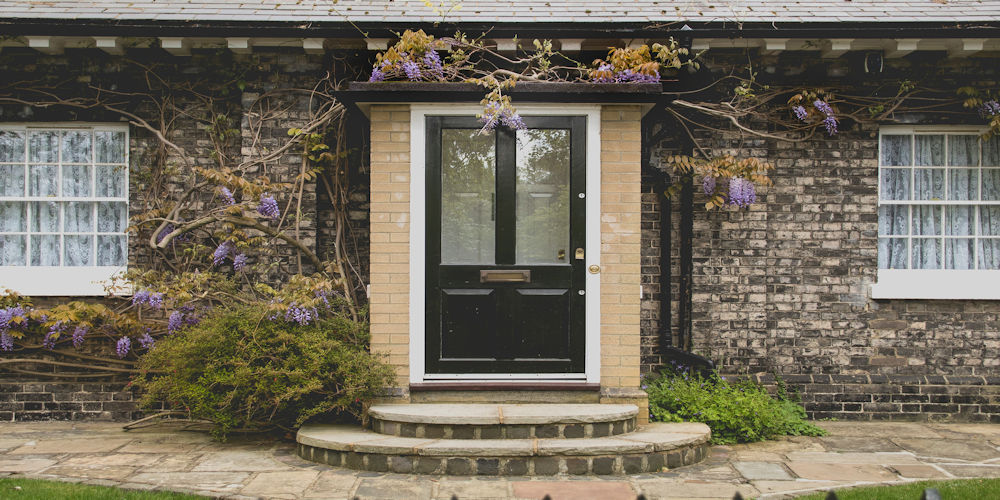
Home Security and Composite Doors Belong Together
Home security starts at your doors. A determined intruder will almost always head for the weakest point of entry, and in many UK homes that is still an old timber or basic uPVC door that has seen better days. Composite doors change that equation. By combining multiple strong materials, advanced locking systems and modern manufacturing standards, they turn your front, back or side door into a serious line of defence.
When you choose a secure composite front or back door, you are not just improving your home’s look; you are actively reducing burglary risk and protecting the people and possessions that matter most. Composite doors are designed from the ground up with burglary prevention in mind, helping to create a genuinely safe family home and a secure entrance door that stands up to modern security threats.
What Are Composite Doors and Why Are They So Secure?
A composite door is a modern, engineered door made from several different materials, each selected for specific strengths. Unlike a single-material timber or uPVC door, a composite door typically has a dense solid core, often made from timber, engineered timber, or high-performance foam, that gives the leaf real weight and impact resistance. This solid core is then wrapped in a tough GRP (glass-reinforced plastic) door skin, which resists warping, cracking, fading, and everyday damage.
This multi-layer construction creates a stable, rigid, long-lasting door slab. Where a traditional uPVC door can flex, bow, or become easy to force over time, a well-made composite door stays robust and secure. Compared with standard uPVC, composite doors are thicker, heavier and use much stronger front door materials, making them far harder to kick through or bend away from the frame.
In simple terms, if you want a door that feels solid when you close it – with a reassuring “clunk” rather than a hollow rattle – a composite door is usually the answer. The combination of a solid-core door, durable GRP skin, and reinforced edges creates a door that delivers excellent everyday performance and significantly higher security than many older alternatives.
The Security Features That Make Composite Doors Stand Out
What truly sets composite doors apart is the level of security hardware that can be built in as standard. Most quality composite doors come fitted with high-security locks that are a world away from the basic locks used on older doors. Multipoint locking systems secure the door at several points along the frame with hooks, bolts, and rollers, clamping the leaf tightly shut all around, not just at the handle.
To counter common break-in methods, many composite doors come with 3-star anti-snap euro cylinders and anti-drill cylinders. These are designed to resist lock snapping, drilling,g and picking–techniques burglars often use for quick, quiet access. Reinforced door frames and security hinges with hinge bolts make it much harder to lever the door off or attack it from the hinge side.
Glazed sections can be upgraded with laminated safety glass, which holds together when shattered and is much harder to break through than ordinary glass. For added reassurance, look for police-approved doors, such as Secured by Design composite doors, which have been independently tested and accredited to meet strict security standards. Put together, these features create a formidable barrier that strongly deters opportunistic thieves.
Composite Doors vs Traditional Timber and uPVC: Which is Safest?
When it comes to home security, not all doors are created equal. Traditional timber doors can look attractive, but over time they tend to swell, shrink, rot, and warp, especially in the British climate. These weaknesses can create gaps, misalignment and soft spots that make forced entry easier. Unless they are regularly maintained and upgraded with modern locks and security hardware, older timber doors can be a tempting target.
Basic uPVC doors, while low maintenance, often have hollow panels and less rigid construction. They can flex under pressure and, in some cases, be kicked in or forced at the corners with minimal noise. Their security depends heavily on the quality of the locking system and the frame reinforcement, which can vary significantly by manufacturer and age.
In contrast, composite doors are designed with security, strength, and durability as key priorities. Their solid core and rigid structure provide impressive break-in resistance, making them effectively “kick-proof” when combined with a proper frame and multipoint locks. Comparisons of composite vs timber door security and composite vs uPVC security consistently show that composites offer better forced-entry resistance and more reliable, long-lasting security with relatively little upkeep. For homeowners who want low-maintenance, secure doors that don’t deteriorate quickly, composite doors are often the safest all-round choice.
Glazing and Privacy Options to Boost Security Further
Glass in a door does not have to be a weak spot. With composite doors, you can choose from a wide range of glazing options that enhance security and privacy without sacrificing style. Obscure glass and frosted glass patterns let in natural light while preventing passers-by from seeing directly into your hallway or living space. This privacy glass for front doors helps stop potential intruders from easily scoping out your home.
In terms of strength, laminated glass units are a major upgrade. Laminated safety glass has a plastic interlayer that holds the pane together even if it breaks, making it much harder to smash a panel and reach in. Toughened safety glass is also far more impact-resistant than ordinary glass, adding another layer of protection.
Many secure composite doors are available as double-glazed or triple-glazed options, improving both insulation and security. Multiple layers of glass and interlayers create a barrier that is difficult, noisy and time-consuming to break, which is exactly what you want when trying to deter burglars. If you like decorative or stained-glass designs, you can often combine them with secure, privacy-focused glazing units to enjoy an attractive door without compromising safety.
Locking Systems and Hardware: The Details That Deter Burglars
Your door’s security is only as strong as its weakest component. That is why the locking systems and hardware used on composite doors are just as important as the door slab itself. Look for doors with 3-star euro cylinder locks, the highest grade under the TS 007 standard, designed to resist snapping, drilling, and other forms of attack.
British Standard locks and PAS 24 tested doors meet recognised performance benchmarks for security, giving you confidence that your door has been independently assessed. Quality security handles with reinforced backplates protect the cylinder and make it harder for intruders to grip or force the door.
Other useful additions include door chains and door restrictors, which let you open the door slightly while staying secure. Door viewers, or spy holes, let you see who is outside before you open up, which is especially important at night or when you are home alone. Letterbox security is another key detail often overlooked. An anti-fishing letterplate and secure letterbox design stop tools or hands being pushed through to reach keys or operate the handle from the inside. Together, these security hardware features for composite doors form a comprehensive defence that makes your home a far less attractive target.
How Composite Doors Support Your Overall Home Security Strategy
A secure door works best as part of a layered home security strategy. Composite doors can be fitted to your front, back, and side doors, closing off the main entry points and making it much harder for an intruder to find a weakness. When you combine these strong physical barriers with electronic measures, your home becomes significantly safer.
Pairing composite doors with alarm systems, CCTV and smart cameras enhances both prevention and detection. A burglar confronted with a visibly secure composite door, backed up by a burglar alarm and motion-sensor lighting, is far more likely to move on to an easier target. Smart home security systems can integrate your doors, cameras, and sensors, sending alerts and live video feeds straight to your smartphone.
In this way, composite doors form the foundation of your home’s physical security, while your alarm and monitoring systems provide an extra layer of protection and evidence. The result is a well-thought-out security strategy in which each element supports the others, protecting your property around the clock.
Smart Technology: Composite Doors with Modern Security Upgrades
Modern composite doors can be further enhanced with smart technology that adds convenience and security. Smart locks and keyless entry systems let you control access without traditional keys, reducing the risk of keys being lost, stolen, or copied. Digital door locks and remote locking let you check whether your door is secure and lock it from your phone, wherever you are.
Smartphone door control and integration with home security apps allow you to create one connected home security system. You can receive notifications when the door opens, grant temporary access codes to guests or tradespeople, and revoke access instantly when it’s no longer needed. Video doorbells and smart doorbell cameras let you see and speak to visitors even when you are away from home, deterring doorstep scams and checks for an empty property.
By combining composite doors with this kind of smart tech, you get a secure, modern entrance that fits your lifestyle and gives you confidence and flexibility.
Energy Efficiency, Noise Reduction and Security in One Door
Security is not the only reason homeowners are turning to composite doors. They are also highly energy-efficient, helping reduce heat loss and keep your home comfortable. Insulated front-door construction and high-quality seals create a draught-proof door that keeps warm air in and cold air out. This can improve your home’s overall energy performance and help lower heating bills over time.
Composite door U-values, which measure how well the door insulates, are typically much better than those of older timber or basic uPVC doors. That means less wasted heat and a more stable indoor temperature. Noise reduction is another advantage. The dense core and multi-layer structure block outside noise, which is especially valuable if you live on a busy street or near traffic.
The key point is that you do not have to choose between a secure door and an efficient one. With a modern composite door, you can enjoy a secure, energy-efficient entrance that also reduces noise- three important benefits in a single upgrade.
Choosing a Secure Composite Door: What to Look For
When investing in a secure composite door, it pays to know what to look for. Start with the basics: research how to choose a composite door that meets recognised security standards. Check for PAS 24 testing, Secured by Design accreditation and clear composite door security ratings. These indicators show the door has been tested against forced-entry techniques.
Consider the reputation of the door manufacturer and supplier. Established brands with strong reviews are more likely to offer consistent quality. Look for FENSA-registered installers or other accredited installation schemes, which ensure the door is fitted correctly and meets building regulations.
Door guarantees and certified secure doors are also worth noting. A solid warranty indicates confidence in the product’s durability and performance. A good composite door buying guide will help you weigh up style, colour, glazing, hardware, and security options so you end up with a door that looks good and provides the protection you need.
Professional Installation vs DIY: Why Fitting Affects Security
Even the best composite door will underperform if it is poorly fitted. Professional door installation ensures that the frame is correctly anchored, the door is properly aligned, and all reinforced fixings are used as intended. This is crucial for security, as intruders can exploit any gaps or misalignment with basic tools.
Secure door fitting involves setting the frame square, fixing it solidly into the surrounding structure and checking that the locking points engage fully when the door is closed. Correct frame installation reduces the risk of the door twisting or dropping over time, which can otherwise lead to draughts, gaps and locks that do not operate smoothly.
Accredited door installers know how to avoid weak points and adjust the door so it seals properly. They can also advise on any additional reinforcement or security accessories that may be appropriate for your property. While DIY may seem cheaper, professional fitting is vital to ensuring your composite door delivers the security it was designed to provide.
Real-World Results: How Composite Doors Reduce Break-in Risk
Statistics and real-life experiences both demonstrate the difference a secure door can make. Burglary statistics consistently show that many break-ins occur through vulnerable doors and windows, and that improving these entry points can significantly reduce the likelihood of forced entry attempts. Homeowners who have upgraded from old wooden or basic uPVC doors to modern composite doors often report feeling noticeably safer.
Home security case studies regularly highlight how composite doors have withstood attempted break-ins, with visible damage to locks or frames but no actual entry gained. Homeowners describe how visible security upgrades, such as robust composite doors with multipoint locks and reinforced frames, deter opportunistic thieves who move on when they see a clearly secure entrance.
Beyond physical protection, you get the peace of mind that comes from knowing your home is better defended. That psychological reassurance is a benefit in itself, letting you relax, whether you are at home or away, knowing your doors are working hard to protect you.
Maintenance Tips to Keep Your Composite Door Secure for Years
Composite doors are designed to be low maintenance, but a little care goes a long way in preserving both their appearance and their security. Regular composite door maintenance should include checking hinges and locks for smooth operation, tightening any loose screws and lubricating moving parts with a suitable product.
You may need to adjust the door from time to time if you notice it catching on the frame or not closing as snugly as before. This helps maintain a good seal and ensures the multipoint locks engage correctly. Caring for seals and weatherstrips keeps them clean and free of debris, helping the door stay draught-proof. A mild soapy water clean keeps the GRP skin looking its best. Most importantly, get into the habit of spotting security issues early, such as difficulty turning the key, a loose handle, or a misaligned latch, and address them promptly before they become serious problems. With simple, occasional maintenance, you can extend the door’s lifespan and keep it performing as a strong security barrier for many years.
Cost vs Value: Are Composite Doors Worth It for Home Security?
The upfront cost of a composite door in the UK can be higher than a basic uPVC or replacement timber door, but it’s worth weighing that against the long-term value. A quality composite door is a long-term security investment that can serve your home for decades with minimal upkeep. The added protection reduces the likelihood of costly break-ins, which can cause financial loss, damage, and emotional distress.
Many homeowners find that secure, attractive doors increase property value and kerb appeal, making their home more desirable if they choose to sell. There may also be insurance benefits. Some insurers view high-security doors favourably and may offer lower home insurance premiums, especially when doors meet certain standards or accreditations.
When you consider the combined benefits of improved home security, energy efficiency, noise reduction, and enhanced appearance, upgrading from an old front door to a modern composite door often offers strong value for money. You are not just buying a new entrance; you are investing in your home’s safety, comfort and future.
Upgrade to Composite Doors and Transform Your Home Security
If you are serious about protecting your home and family, upgrading to composite doors is one of the most effective steps you can take. By replacing an old, vulnerable front door with one of the best secure doors available in the UK, you immediately improve home security and make life much harder for would-be intrudersideal time toimeme tactty: book a home security surcomposite door quotes, and exploreand explorese tstyles, colourst yle security options availabletigradingle, gradingng not only your front door but also your back and side doors to close every obvious gap in your home’s defences.
A well-chosen, professionally installed composite door gives you a secure entrance, a warmer, quieter home, and the reassurance that you have taken a proactive step to protect your family. In an age when peace of mind is priceless, composite doors offer a practical, proven, and convincing way to improve your home security.