
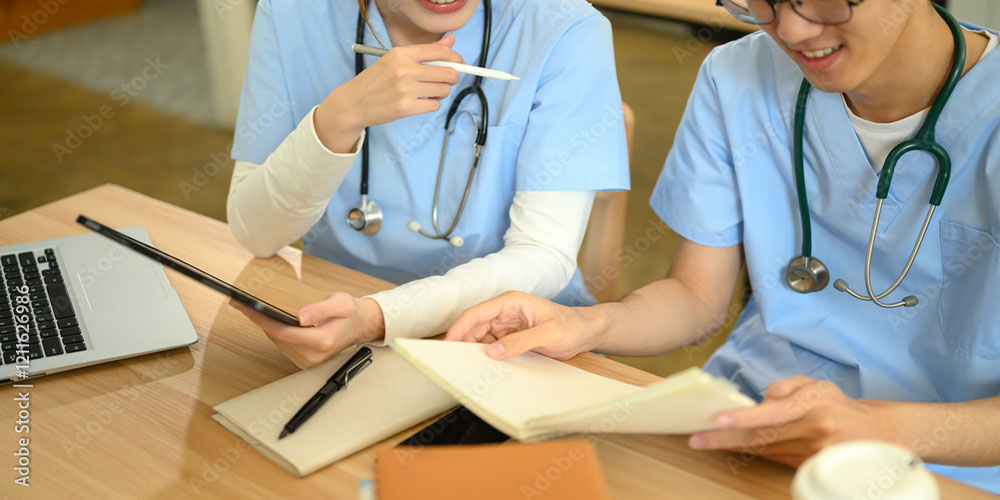
Nurses’ Stations: Enhancing Patient Care & Healthcare Delivery
Nurses’ stations are an essential part of modern healthcare environments, providing a central space where nursing teams can coordinate care, communicate with colleagues and respond to patients’ needs. More than a place to complete paperwork, they support efficient workflows, improve communication, and help healthcare professionals deliver high-quality patient care.
As healthcare environments continue to evolve, nurses’ stations are becoming increasingly sophisticated. With advances in technology, ergonomic furniture and integrated hospital information systems, modern nurses’ stations are designed to support the needs of both healthcare professionals and patients, helping NHS facilities deliver safe, effective and responsive care.
The Key Features of an Effective Nurses’ Station
A well-designed nurses’ station combines practical equipment, modern technology and an efficient layout to create a workspace that supports the demands of a busy healthcare environment.
Essential Equipment and Technology
Nurses need quick and reliable access to the equipment required to monitor patients and deliver treatment. This may include blood pressure monitors, thermometers, diagnostic equipment and medication dispensing systems.
Access to electronic health records (EHRs) and other digital healthcare systems is equally important. These technologies allow nursing staff to update patient records, review medical histories and access treatment information, supporting accurate documentation and safer medication administration.
Ergonomic Design and Staff Wellbeing
The layout and design of a nurses’ station can significantly affect staff comfort, productivity, and efficiency.
Ergonomic furniture, adjustable workstations, supportive seating and appropriate lighting can help reduce physical strain and fatigue during long shifts. A well-organised workspace also ensures that essential equipment and information are easily accessible, allowing nurses to spend less time searching for resources and more time focusing on patient care.
Integration with Hospital Information Systems
Modern nurses’ stations increasingly rely on integrated digital systems to support communication and information sharing.
Access to patient records, diagnostic results, medication information, and treatment plans in one central location helps nursing teams make informed decisions and coordinate care more effectively. This integration also supports communication between departments, helping reduce delays and improve the continuity of care.
How Nurses’ Stations Enhance Patient Care
Supporting Patients’ Physical Needs
Nurses’ stations provide a central point from which healthcare professionals can monitor patients, organise treatments and respond to changing care requirements.
With essential equipment and patient information readily available, nurses can monitor vital signs, administer prescribed medication and coordinate appropriate interventions. An efficient layout helps staff access needed resources quickly, supporting timely responses and better patient experiences.
Improving the Management of Health Conditions
Effective patient care relies on accurate information, consistent monitoring and good communication between healthcare professionals.
Nurses’ stations support these processes by giving staff access to patient histories, test results and current treatment plans. This allows nursing teams to monitor patients’ progress, identify changes in their condition and communicate relevant information to other members of the healthcare team.
By supporting coordinated and informed decision-making, nurses’ stations contribute to the effective management of both acute and long-term health conditions.
Supporting Infection Prevention and Control
Infection prevention is a key priority across all healthcare environments, and nurses’ stations can help support the implementation of effective infection control practices.
A well-organised station gives staff space to access relevant guidance, follow hygiene procedures, and coordinate infection prevention measures. Appropriate storage, accessible hand hygiene facilities, and clear work areas can also support safer working practices.
By encouraging consistent infection control procedures and effective communication, nurses’ stations help create safer environments for patients, visitors, and healthcare professionals.
The Importance of Communication and Collaboration
Encouraging Effective Communication
Clear communication is essential to delivering safe, coordinated patient care.
Nurses’ stations serve as central communication points where nurses, doctors, and other healthcare professionals can share important patient information, discuss concerns, and coordinate treatment plans.
A dedicated space for these discussions supports informed decision-making, reduces the risk of communication errors, and ensures important information is shared with the relevant members of the care team.
Supporting Multidisciplinary Teamwork
Modern healthcare depends on professionals from different disciplines working together to meet patients’ individual needs.
Nurses’ stations provide an environment where multidisciplinary teams can exchange knowledge, review patient progress and discuss appropriate treatment approaches. Access to shared information systems further supports collaboration by ensuring that relevant patient information is available to authorised healthcare professionals.
This joined-up approach helps promote continuity of care and supports more personalised treatment.
Improving Patient and Staff Interactions
Although nurses’ stations are primarily designed to support clinical teams, they also influence the overall patient experience.
An organised, accessible station helps nursing staff respond to requests, answer questions, and provide updates more efficiently. It also gives patients and visitors a recognisable point of contact when they need assistance.
By supporting more effective communication, nurses’ stations can help build trust, improve patient confidence and contribute to a more positive healthcare experience.
Improving Operational Efficiency and Workflow
Streamlining Administrative Tasks
Administrative responsibilities are an unavoidable part of nursing, but efficient workspace design can help make these tasks more manageable.
By bringing together computers, patient records, communication systems and essential documentation, nurses’ stations provide a practical environment for managing daily administrative duties.
A well-planned layout reduces unnecessary movement, minimises distractions, and makes important information easier to access. This allows healthcare professionals to manage their responsibilities more efficiently while staying focused on patient care.
Supporting Safer Medication Management
Medication management requires accuracy, organisation and clear communication.
Nurses’ stations equipped with appropriate storage, medication management systems and access to digital prescribing records can help support safe medication processes. Clear organisation and reliable access to patient information also help staff check relevant details before administering prescribed treatments.
Creating More Efficient Healthcare Environments
An effective nurses’ station should support the wider demands of a busy clinical environment.
Carefully considered layouts, accessible equipment, and integrated technology can improve daily workflows, reduce unnecessary delays, and make better use of available space. These improvements benefit both healthcare professionals and the patients they care for.
Patient Education and Empowerment
Using Nurses’ Stations to Support Patient Education
Patient education is an important part of effective healthcare, helping individuals better understand their conditions, treatment options and ongoing care requirements.
Nurses’ stations support this process by giving nursing staff access to patient information, educational resources, and digital materials to support conversations with patients.
Nurses can use these resources to explain treatment plans, discuss medication requirements and provide guidance on self-care and recovery. Clear, accessible information helps patients feel more confident about managing their health and making informed decisions about their care.
Empowering patients through education can also encourage greater involvement in treatment plans and support better long-term health outcomes.
Creating Better Healthcare Environments Through Effective Nurses’ Stations
Nurses’ stations are much more than functional workspaces. They are an integral part of the healthcare environment, supporting communication, collaboration, clinical efficiency and the delivery of high-quality patient care.
From ergonomic furniture and accessible equipment to integrated technology and well-planned layouts, every element helps create a workspace that meets the demands of modern nursing.
For NHS facilities, investing in thoughtfully designed nurses’ stations can help improve staff wellbeing, streamline daily operations and support safer, more effective patient care.
By prioritising functionality, accessibility, and the needs of healthcare professionals, healthcare providers can create nurses’ stations that support better working environments and, ultimately, better patient experiences.