
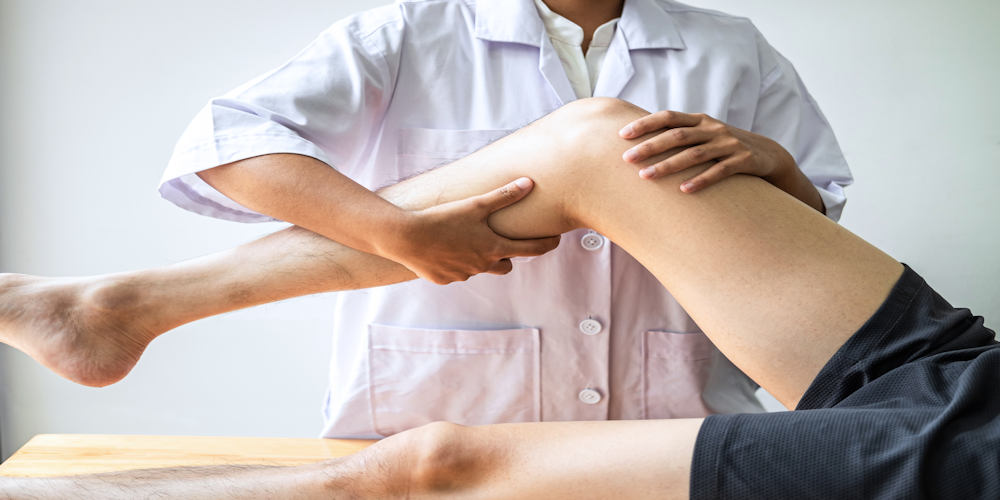
How Sports Massage Can Help You Recover from an Injury
When you’re recovering from an injury, every decision you make can impact the speed and quality of your healing. Sports massage stands out as one of the most effective therapies for supporting recovery and helping you return to your best. Unlike a standard relaxation massage, sports massage is specifically tailored to address the unique needs of injured muscles, tendons, and ligaments.
One of the primary benefits is improved circulation. By stimulating blood flow to affected areas, sports massage helps deliver essential nutrients and oxygen that promote tissue repair. This increased circulation also aids in flushing out toxins and reducing inflammation, two key factors in accelerating recovery.
Sports massage also targets muscle tension and scar tissue that often develop after an injury. By breaking down adhesions and encouraging flexibility, it helps restore normal movement patterns while minimising discomfort. Regular sessions can significantly reduce pain levels, making it easier for you to engage in rehabilitative exercises prescribed by your physiotherapist or trainer.
Perhaps most importantly, sports massage provides psychological support during what can be a frustrating time. The hands-on therapy not only soothes sore muscles but also offers reassurance that your body is healing, a boost that’s vital for staying motivated throughout your recovery journey.
For anyone serious about getting back on their feet quickly and safely after an injury, integrating sports massage into your rehabilitation plan isn’t just helpful, it’s essential.
Understanding Sports Massage: What Is It and How Does It Work?
Sports massage therapy is a specialised form of treatment designed to help athletes and active individuals optimise their performance, prevent injuries, and speed up recovery. Unlike a standard massage, sports massage focuses on areas of the body that are overused and stressed from repetitive movements. There are several types of sports massage, including deep tissue massage and remedial massage, each tailored to address specific needs.
Deep tissue massage targets the deeper layers of muscle and connective tissue, using slow strokes and firm pressure to release chronic tension. Remedial massage, on the other hand, aims to treat both acute and chronic injuries by identifying the root cause of pain or discomfort. One of the key benefits of sports massage is its ability to enhance flexibility, improve circulation, reduce muscle soreness after intense activity, and promote faster healing.
Whether you’re a professional athlete or simply enjoy an active lifestyle, incorporating sports massage therapy into your routine can make a significant difference in your overall wellbeing. By understanding the different types available and their unique benefits, you can choose the right approach for your specific goals, helping you stay at your best both on and off the field.
The Science Behind Sports Massage and Injury Recovery
Understanding the science behind sports massage reveals why it is such a powerful tool for muscle recovery and injury rehabilitation. Sports massage goes far beyond simply relaxing tight muscles; it actively promotes improved circulation, which delivers vital oxygen and nutrients to injured tissues. This enhanced blood flow is key to reducing inflammation, a common culprit in delayed healing and ongoing discomfort.
Moreover, targeted massage techniques encourage soft tissue repair by breaking down adhesions and scar tissue that can restrict movement and prolong recovery. By stimulating the lymphatic system, sports massage helps flush out metabolic waste products that accumulate after intense exercise or injury, further supporting the body’s natural healing processes.
Incorporating regular sports massage into your recovery routine can make a significant difference, speeding up muscle recovery, reducing inflammation more effectively, and ensuring that your soft tissues heal stronger than before. For athletes and active individuals alike, this scientific approach to hands-on therapy is an essential step towards optimum performance and long-term health.
Key Benefits of Sports Massage for Injured Athletes
For injured athletes, sports massage offers a host of crucial benefits that support both recovery and long-term performance. One of the primary advantages is pain relief; targeted massage techniques work to alleviate muscle tension and reduce discomfort, making day-to-day movement much easier. In addition, sports massage plays a vital role in promoting a faster healing process by increasing blood flow to affected areas, delivering essential nutrients needed for tissue repair.
Another significant benefit is increased flexibility. Regular sports massage helps lengthen tight muscles and improve joint range of motion, which can be especially valuable during rehabilitation. This improved flexibility not only aids recovery but also helps prevent future injuries. Furthermore, sports massage assists in the breakdown of scar tissue that may form after an injury. By addressing these adhesions early on, athletes can avoid long-term mobility issues.
Ultimately, enhancing mobility is at the heart of any successful recovery programme for athletes. With its combined effects, pain relief, faster healing process, increased flexibility and scar tissue breakdown, sports massage stands out as an indispensable tool for anyone looking to return to their sport stronger than before.
When Should You Start Sports Massage After an Injury?
Understanding the right timing of therapy after injury is crucial for a safe and effective recovery. The approach varies depending on whether you’re dealing with an acute or chronic injury. For acute injuries, such as recent sprains, strains, or bruises, it’s generally best to avoid sports massage in the initial 48-72 hours. During this period, your body needs time to manage inflammation and begin the natural healing process. Gentle rest, ice, compression, and elevation (RICE) are often recommended at this stage.
However, once swelling has subsided and pain levels have decreased, introducing sports massage can help promote circulation and reduce muscle stiffness. Chronic injuries or long-standing issues may benefit from sports massage sooner within a treatment plan, as it can address underlying tension and improve mobility over time.
Above all, safe recovery practices should be your top priority. Consulting a physiotherapist before starting any form of hands-on therapy ensures that your treatment is tailored to your specific needs and stage of healing. Their expert advice will guide you on when it’s appropriate to incorporate sports massage into your rehabilitation, helping you return to activity safely and confidently.
The Role of a Qualified Therapist in Your Recovery Journey
When embarking on a recovery journey, partnering with a qualified therapist is essential to achieving lasting results. In the UK, sports massage therapist qualifications are regulated to ensure practitioners have the necessary expertise and training. This means you can trust that a certified professional will possess both the technical knowledge and hands-on experience needed to support your rehabilitation.
Finding a professional therapist near me is more than just convenience, it’s about accessing tailored care from someone who understands your unique needs. A qualified therapist will take the time to assess your specific circumstances, listen to your concerns, and personalise your treatment plan accordingly. By choosing an accredited expert, you’re investing in high-quality care that prioritises your well-being and accelerates your recovery process.
Tips for Maximising the Effectiveness of Your Sports Massage Sessions
To truly benefit from your sports massage sessions, it’s essential to approach them with both preparation and follow-up in mind. Start by considering some pre-massage preparation tips: stay well hydrated throughout the day, avoid heavy meals just before your appointment, and take a few moments to communicate any areas of concern or injury history with your therapist. This ensures the session is tailored to your specific needs.
Afterwards, don’t underestimate the value of post-massage care advice UK practitioners often recommend. Give yourself time to rest and allow the body to recover, gentle stretching can help maintain flexibility, while continued hydration aids in flushing out toxins released during massage. Applying ice or heat as advised by your therapist can also support muscle recovery.
For even greater results, consider combining sports massage with other therapies such as physiotherapy. Many athletes find that integrating these treatments not only speeds up recovery but also enhances overall performance by addressing underlying issues holistically.
Finally, implement home recovery strategies between sessions: regular stretching routines, foam rolling, and mindful movement all contribute to lasting benefits from each massage. By following these steps consistently, you’ll maximise both immediate relief and long-term gains from every visit to your sports massage therapist.
Embrace the Power of Sports Massage to Accelerate Your Injury Recovery and Regain Peak Performance!
Embracing the power of sports massage can be a game-changer in your journey to recovery and peak performance. Whether you’re an elite athlete or simply passionate about staying active, sports massage offers targeted benefits that go far beyond relaxation. It helps to reduce muscle tension, improve circulation, and speed up the healing process following injury.
By incorporating regular sessions into your routine, you not only enhance your body’s natural ability to recover but also minimise the risk of future setbacks. Don’t let injuries hold you back, take proactive steps today and experience firsthand how sports massage can help you return stronger, faster, and ready to perform at your very best.