
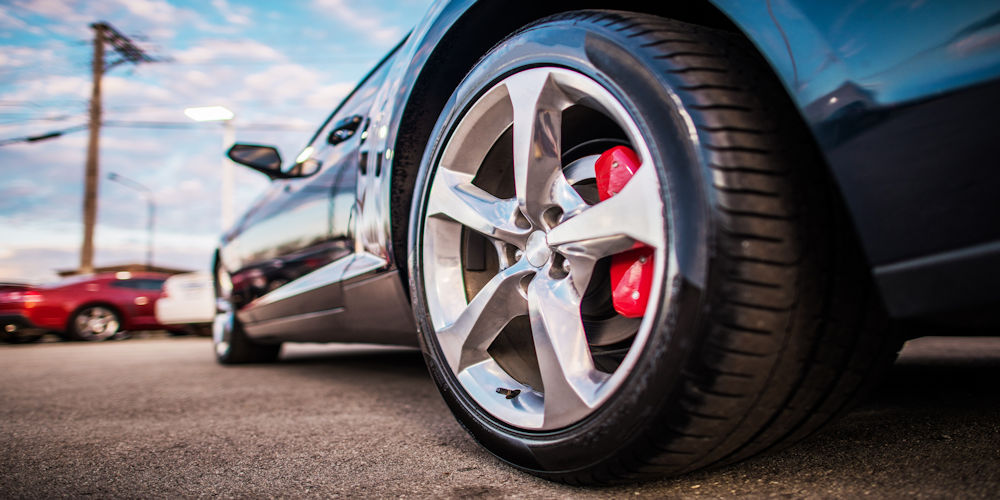
Why Specialist Alloy Wheel Repairs Matter More Than You Think
Alloy wheels do far more than hold your tyres in place – they play a big role in how your car looks, drives and holds its value. That is why specialist alloy wheel repairs matter much more than many drivers realise. Rather than seeing damage as “just cosmetic”, consider how professional refurbishment can improve your car’s appearance, protect your investment, and even contribute to safer driving.
Specialist alloy wheel repairs can completely transform tired, scuffed or corroded wheels, restoring them to a smart, factory-fresh finish. A trained alloy repair specialist can deal with everything from light cosmetic damage to more serious issues, helping you avoid the cost of buying brand new wheels. By choosing to repair instead of replace, you can keep your car looking sharp, maintain a well-cared-for image and often increase its appeal to future buyers. In many cases, a properly refurbished set of alloys is one of the quickest and most cost-effective ways to lift the whole look of your vehicle.
Common Alloy Wheel Damage: From Kerb Rash to Corrosion
Everyday driving exposes your wheels to a surprising amount of punishment. Kerbed alloys from misjudging a tight parking space, scuffed alloy wheels from brushing against raised kerbs or drive-through lanes, and scratched alloy wheels caused by road debris are all extremely common. Over time, these small marks add up, leaving wheels looking tired and neglected, even if the rest of the car is spotless.
More serious problems can develop too. Pothole damage can lead to a buckled wheel that affects how smoothly the car drives, while a cracked alloy wheel can pose a genuine safety risk if left untreated. Wheel rim damage around the edge of the wheel can interfere with how the tyre sits and seals, potentially leading to slow air leaks. In the UK climate, road salt and moisture can also cause alloy wheel corrosion, with bubbling paint, flaking lacquer and white, powdery patches appearing on the surface. What starts as a minor blemish can easily spread, so tackling these issues early is always wise.
DIY Fix or Professional Help? Why Specialist Alloy Wheel Repairs Are Worth It
DIY alloy wheel repair kits are widely available and can seem tempting if you are trying to save money. At first glance, a quick sanding and touch-up at home might look like a cheap, easy solution. However, there are important differences between a basic DIY job and professional wheel refurbishment that are worth considering before you reach for the filler and spray can.
A professional alloy repair specialist uses the correct tools, materials and techniques to deliver a high-quality, long-lasting finish. Trained alloy technicians understand how to assess whether a wheel is safe to repair, how to deal with cracks or buckling, and how to refinish the surface so the repair blends seamlessly with the rest of the wheel. Safe wheel repairs are critical; improper sanding, filling or even attempting to weld at home can weaken the structure of the wheel and create hidden risks.
While professional refurbishment might cost more than a DIY kit upfront, it is often far more cost-effective in the long run. A professionally restored wheel is more likely to stay looking good for years, resisting flaking, peeling and discolouration. The paint and clearcoat systems used by specialists are designed to cope with brake dust, road grime, and British weather, meaning your money goes into a durable, long-lasting finish rather than a short-term cosmetic patch.
The Specialist Alloy Wheel Repair Process: What Actually Happens to Your Wheels
Many drivers are surprised at how thorough the alloy wheel refurbishment process can be. Rather than just sanding and spraying, a proper repair involves several careful steps to bring your wheels back to a high, consistent standard.
The process typically starts with wheel stripping, where the old paint, lacquer and contaminants are removed to expose bare metal. This allows the technician to identify any hidden cracks, flat spots or buckling that were not obvious at first glance. Where necessary, welding and straightening techniques are used to repair cracked areas and correct buckled rims, helping restore the wheel’s structural integrity.
Once any structural repairs are completed, the wheel moves on to refinishing. For painted alloys, powder coating is often used to create a strong, even base coat that resists chips and corrosion. Diamond cut alloy wheel repair involves carefully machining the face of the wheel to produce a sharp, shiny, precision-cut finish, followed by a protective clearcoat. Colour matching alloys is a key part of the process, so the finished wheel either matches the original manufacturer colour or achieves the new custom shade you have requested. After the cosmetic work is completed, wheels are usually rebalanced so they run smoothly on the car, helping maintain a factory-finish look and feel.
Choosing the Right Specialist: What to Look for in an Alloy Wheel Repair Service
Not all alloy wheel repair companies offer the same level of quality or expertise, so choosing the right specialist is important. When you search for “alloy wheel repair near me”, do not just pick the first name that appears. Look for an accredited alloy repair service that can demonstrate proper training, experience and standards of artistry. Industry accreditations, insurance approvals and partnerships with dealerships or bodyshops can be good signs that a company is trusted and competent.
Consider whether you need mobile alloy wheel repairs, where a technician comes to your home or workplace, or whether workshop alloy repairs are more suitable, especially for more serious damage. Mobile services are very convenient for light cosmetic work, while a fully equipped workshop is usually better for structural welding, full refurbishments and diamond cutting.
Customer reviews are one of the best ways to gauge real-world results. Check photos, testimonials and ratings to see how consistently the company delivers quality. Guarantees and warranties also matter; a confident repairer will stand behind their work, giving you peace of mind that any issues will be put right. Where insurance-approved repairs are offered, it may be possible to involve your insurer for certain types of damage.
Cost of Specialist alloy wheel repairs in the UK: What You Should Expect to Pay
The cost of alloy wheel repair in the UK can vary depending on the size of the wheel, the level of damage and the type of finish you choose. Light cosmetic scuffs on a standard painted wheel will usually be at the lower end of refurbishment pricing. At the same time, full diamond cut repair is typically more expensive due to the specialist machinery and extra time required. Mobile repair cost may also differ slightly from workshop pricing, reflecting travel and on-site work.
If you are considering a full set alloy refurbishment, many companies offer package deals that reduce the cost per wheel. When you compare the total bill to the price of buying new wheels, specialist repair almost always represents strong value for money. Genuine manufacturer alloys can be very expensive to replace, so repairing and refurbishing what you already have can lead to significant savings.
It is sensible to see alloy wheel repair cost not just as an expense but as an investment. By restoring the wheels’ appearance and protecting them against further damage, you help maintain the overall value of your car. Well-presented alloys are something prospective buyers notice immediately, so the money you spend now can often come back to you when it is time to sell or part-exchange.
Custom Finishes and Styling: Make Your Alloys Look Better Than New
Specialist alloy wheel repairs are not only about restoring damage; they are also a chance to upgrade your car’s style. Many drivers use refurbishment as an opportunity to choose custom alloy wheel colours or finishes that better suit their personal taste or the vehicle’s look. Gloss black alloys, for example, can give a sharper, more aggressive appearance, while satin and matte finishes offer a more subtle, contemporary look.
If you like the high-end appearance of premium models, you might opt for a diamond cut look, where the faces of the spokes are machined to a bright metal finish contrasted against painted inner sections. Personalised wheel styling can completely change the character of your car, from discreet OEM-style shades to bold colour accents that stand out.
Modern coating systems can also include a brake dust-resistant finish that makes cleaning easier and helps your wheels stay smart between washes. An alloy colour change combined with a high-quality clearcoat can give you a genuinely premium wheel appearance, often better presented and better protected than the original factory finish.
Safety First: How Proper Alloy Wheel Repairs Protect You on the Road
While appearance is important, wheel safety must always come first. A cracked alloy or badly buckled rim is not just unsightly; it can compromise how the car handles and behaves at speed. Repairing cracked alloys safely is a specialised job and should never be attempted without the correct skills and equipment. Structural wheel repairs involve careful assessment of where the crack is, how severe it is and whether it is safe to weld or straighten.
Faulty wheels can lead to MOT issues if inspectors detect damage serious enough to affect safety. Poor wheel condition can also influence handling and stability, particularly under hard braking or in emergency manoeuvres. Tyre seating issues caused by rim damage or corrosion can lead to slow leaks or even sudden loss of pressure, increasing the risk of loss of control.
Professional safety checks are a key part of specialist alloy repair. A reputable technician will advise you honestly if a wheel is beyond safe repair and should be replaced instead. Knowing that your wheels have been inspected, repaired and balanced properly provides confidence that you are not only driving a smart-looking car, but a safe one.
Looking After Your Alloys After Repair: Maintenance Tips to Keep Them Smart for Longer
Once you have invested in refurbished alloys, a little regular care will help keep them looking smart for years. Good alloy wheel care starts with proper cleaning. Use a pH-balanced wheel cleaner and soft brushes or cloths to lift brake dust and road grime without scratching the finish. Aggressive acidic cleaners or rough brushes can damage lacquer and paint, so it pays to be gentle but consistent.
To protect refurbished alloys further, many specialists recommend applying a wheel sealant. This creates a barrier that helps repel dirt, brake dust and road salt, making future cleaning much easier. Taking care when parking to avoid kerb damage is equally important; simple habits like pulling slightly further from high kerbs can prevent repeated scuffs.
Winter wheel protection is especially relevant in the UK, where salt and grit can accelerate corrosion. Rinsing wheels regularly in colder months and topping up protective coatings can help prevent corrosion and prolong the alloy finish. With a bit of maintenance, your refurbished wheels will stay sharp and tidy, reflecting well on how you look after your car as a whole.
When to Repair and When to Replace: Making the Smart Decision
There are times when repair is clearly the best option, and other situations where replacing the wheel is the smarter, safer choice. Light to moderate cosmetic damage, minor buckling and certain types of cracks can often be dealt with effectively by a specialist. In these cases, repair vs replace alloy wheels is usually an easy decision, as professional refurbishment provides an excellent result at a fraction of the cost of new wheels.
However, severely damaged alloys with large or multiple cracks, badly distorted rims or significant chunks missing may be classified as non-repairable. Reputable repairers will not attempt structural work that could compromise safety. In such instances, insurance replacement may be possible if the damage resulted from an accident or road incident covered by your policy.
When comparing the cost of new wheels with repair, also consider the value of genuine alloys. Original manufacturer wheels are often designed to suit your car perfectly and can be expensive to buy again. Where possible, preserving and refurbishing original wheels helps maintain authenticity and resale value. The smart decision is always the one that balances safety, cost and long-term value.
Invest in Specialist alloy wheel repairs to Keep Your Car Looking Smart and Hold Its Value
Specialist alloy wheel repairs offer a powerful combination of benefits: they improve your car’s appearance, help protect its resale value and support safer driving. Rather than living with scuffed, kerbed or corroded rims, you can book alloy wheel repair with a trusted local alloy repair specialist and transform the look of your vehicle in a relatively short time.
By choosing professional alloy refurbishment over quick fixes, you restore car appearance to a high standard and send a clear signal that the car has been well cared for. This can make a real difference when it is time to sell or part-exchange, as clean, smart alloys are one of the first things buyers notice. Whether you want to smarten up your car, return it to a factory look, or go for a more striking custom style, getting in touch with an experienced alloy wheel expert is a worthwhile step.
In many cases, investing in specialist alloy wheel repairs costs far less than buying new wheels but delivers a result that looks and feels every bit as good. With the right technician and a bit of ongoing care, your alloys can stay looking sharp, helping your car stand out for the right reasons and hold its value for longer.