
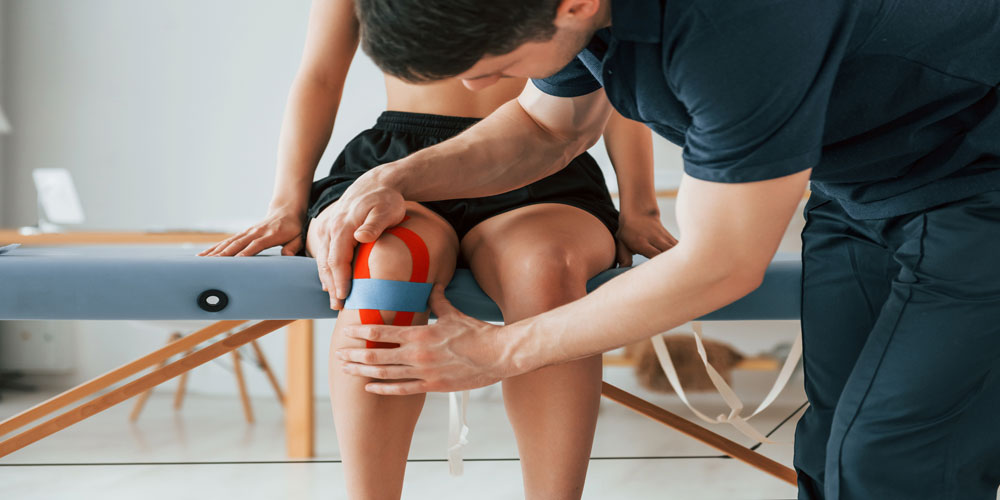
Integrated Diagnosis, Rehabilitation, and Massage Therapy Keep You Healthy
Staying healthy, active, and pain-free is not just about reacting when something goes wrong; it is about taking a proactive, long-term approach to your body. When proper diagnosis, targeted rehabilitation, and effective massage therapy are combined, they create a powerful, holistic healthcare strategy that keeps you healthier for longer. Instead of simply masking symptoms, this integrated approach focuses on finding the root cause of your pain or dysfunction, treating it effectively, and maintaining your progress over time. By working in this way, you can reduce your risk of future injury, support better movement and posture, and enjoy a higher quality of life well into the future.
Understanding Proper Diagnosis: The Foundation of Effective Treatment
Every successful treatment plan begins with an accurate, thorough diagnosis. Without understanding exactly what is going on in your body, even the best treatments can miss the mark. A proper clinical diagnosis may include a detailed musculoskeletal assessment, postural analysis, movement screening and a focused pain assessment. During a physical examination, your therapist or clinician looks at how your joints move, how your muscles function, and how your body behaves during everyday activities. The aim is to identify the root cause of your symptoms, rather than just treating where it hurts. This careful health evaluation forms the foundation of an effective treatment plan, helping to ensure that your rehabilitation and massage therapy are precisely targeted and more likely to deliver lasting results.
From Pain to Progress: How Rehabilitation Restores Function and Prevents Re-Injury
Rehabilitation bridges the gap between injury and full function. Whether you are recovering from a sports injury, a workplace strain, surgery, or long-standing aches and pains, physical rehabilitation is designed to help you move better, feel stronger and reduce your chance of re-injury. A tailored rehab programme may draw on principles similar to physiotherapy-style rehab, combining strength and conditioning, mobility exercises, balance work and specific exercise prescription. Rather than generic exercises, you receive targeted movements chosen for your body, lifestyle, and goals. As your strength, flexibility and control improve, everyday tasks become easier, and sport becomes safer. In this way, rehabilitation does more than ease discomfort; it actively restores function and builds resilience, so your body is better prepared for the demands you place on it in the future.
The Role of Massage Therapy in Keeping Muscles, Joints and Fascia Healthy
Massage therapy plays a vital supportive role in keeping your muscles, joints and fascia in optimal condition. Techniques such as soft tissue therapy, deep tissue massage, sports massage, remedial massage and therapeutic massage all aim to improve the health of your soft tissues. By reducing muscle tension, improving circulation and encouraging the removal of metabolic waste, massage can help relieve soreness, stiffness and fatigue. Methods like myofascial release and trigger point therapy target specific tight spots and restrictions within the soft tissues, helping to restore more natural movement and reduce referred pain. Over time, this can lead to better joint mobility, improved posture and a greater sense of ease in your body, whether you are sitting at a desk all day or pushing yourself in training.
How Diagnosis, Rehabilitation and Massage Therapy Work Together for Best Results
The real power of these approaches comes when they are combined within a single, integrated care plan. A clear diagnosis guides the overall direction, ensuring that both rehabilitation and massage therapy are focused on the true source of your problem. Rehabilitation provides the structured, progressive exercises needed to correct weaknesses, improve mobility and restore normal movement patterns. Massage therapy complements this by reducing soft tissue tension, easing discomfort and helping your body respond more effectively to the rehab work. This multi-disciplinary, whole-body approach supports joint and muscle health not just in the short term, but across the long term. With personalised treatment and ongoing maintenance, you are far more likely to achieve lasting recovery, reduced pain and better performance in everyday life.
Common Problems Helped by Diagnosis, Rehabilitation and Massage Therapy
A wide range of common problems respond well to this combined approach. Many people seek help for back pain, neck pain, shoulder pain or knee pain that has crept up over months or even years. Others may be dealing with sports injuries, repetitive strain injury from work, tension headaches or sciatica. Issues such as joint stiffness, poor posture and general muscle tightness can also benefit greatly from proper assessment, structured rehabilitation and targeted massage therapy. By addressing the underlying factors—such as weak muscles, restricted joints, imbalanced movement patterns or chronic tension—these treatments can significantly reduce pain, improve function and help prevent the same problems from returning.
Staying Healthy, Not Just Getting Fixed: Preventative Care and Maintenance
The most effective healthcare does not stop once your pain has eased. Preventative healthcare and ongoing maintenance are essential if you want to stay pain-free and active in the long term. Maintenance massage helps keep muscles and fascia supple, reducing the build-up of tension that can lead to future issues. Regular check-ups allow early intervention if small problems begin to appear, before they develop into something more serious. Posture correction, workplace ergonomics advice, flexibility training and strengthening programmes all form part of a proactive health strategy. Combined with tailored lifestyle advice, this approach helps you maintain your progress, reduce flare-ups, and enjoy the benefits of a body that feels more comfortable, capable, and resilient day to day.
What to Expect at Your First Appointment: From Assessment to Treatment Plan
Your first appointment is all about understanding you as an individual. It typically begins with an initial consultation, where your therapist takes a detailed health history, discusses your symptoms and asks about your daily activities, work demands and exercise habits. This is followed by a physical assessment, which may include movement tests, postural checks and specific measures of strength, flexibility and joint mobility. From this information, the diagnosis process begins, aiming to identify the key factors behind your pain or dysfunction. Your therapist will then outline a clear treatment plan, explaining the proposed personalised care plan, setting realistic goals and answering any questions you may have. You will also learn what happens in a typical session, so you know exactly what to expect as you move through your rehabilitation and massage therapy.
Choosing the Right Clinic or Therapist for Diagnosis, Rehabilitation and Massage
Selecting the right clinic or therapist is crucial to achieving the best outcome. Look for a qualified therapist or registered practitioner with appropriate experience and training in diagnosis, rehabilitation and massage therapy. It can be helpful to choose someone with specialisms relevant to your needs, whether that is sports injuries, chronic pain, postural problems or workplace-related issues. An evidence-based practice that keeps up to date with current research is more likely to offer effective, modern treatment approaches. Client reviews and recommendations can provide insight into the quality of care, while the clinic environment and overall professionalism contribute to your comfort and confidence. Above all, you should feel that your therapist listens to you, tailors their approach to your situation and maintains high professional standards.
Simple Daily Habits to Support Your Diagnosis, Rehabilitation and Massage Results
What you do between appointments is just as important as what happens in the clinic. Simple daily habits can significantly enhance your results. Following your prescribed home exercises, including a regular stretching routine and appropriate strengthening exercises, will help you progress more quickly. Paying attention to good posture habits at work, at home and while using devices reduces unnecessary strain on your body. Maintaining an active lifestyle, using light movement or walking to break up long periods of sitting, supports better circulation and joint health. Self-massage techniques, basic recovery strategies, staying well hydrated, prioritising quality sleep and managing stress all play a part in how well your body heals and adapts. Together, these small, consistent actions help you get the most from your diagnosis, rehabilitation and massage therapy.
Invest in Diagnosis, Rehabilitation and Massage Therapy Now
Investing in proper diagnosis, structured rehabilitation and regular massage therapy is an investment in your long-term health and quality of life. Rather than waiting for pain to become severe or for an injury to stop you in your tracks, a proactive care approach helps you stay active, capable and confident in your body. This combination supports sustainable results, making it easier to maintain progress and reduce the risk of recurring problems. By choosing to book an assessment, start rehabilitation and commit to regular massage therapy, you take control of your health rather than leaving it to chance. The reward is a healthier, more resilient body that allows you to live, work and play with less pain and more freedom for years to come.